FROM SPORTS JERSEYS TO COMIC BOOKS, AN ITEM’S APPEARANCE CAN MAKE ALL THE DIFFERENCE
By Joe Orlando | January 20, 2026
Eye appeal. If you have been a collector for any meaningful length of time, it’s a term that you are undoubtedly familiar with. It can be hard to measure from a technical standpoint, and sometimes even harder to articulate, but its impact on our hobby is as strong as it has ever been. It lies in our subconscious, and it drives our buying habits viscerally.
The bottom line is that we know it when we see it.
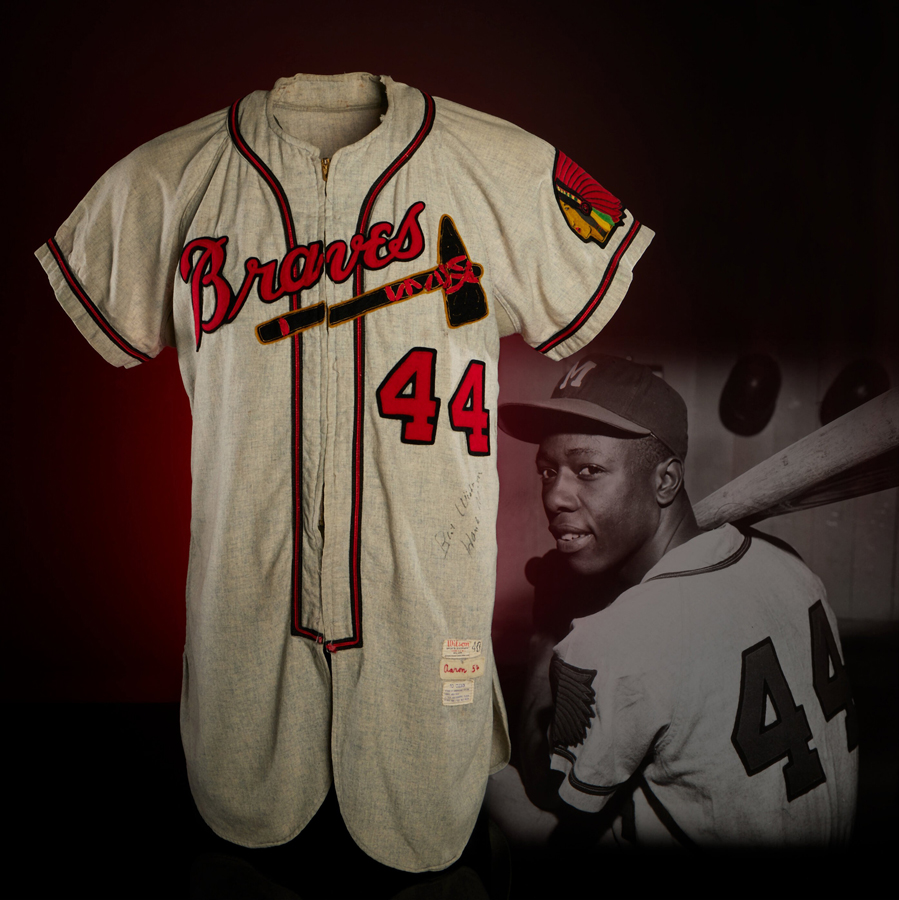
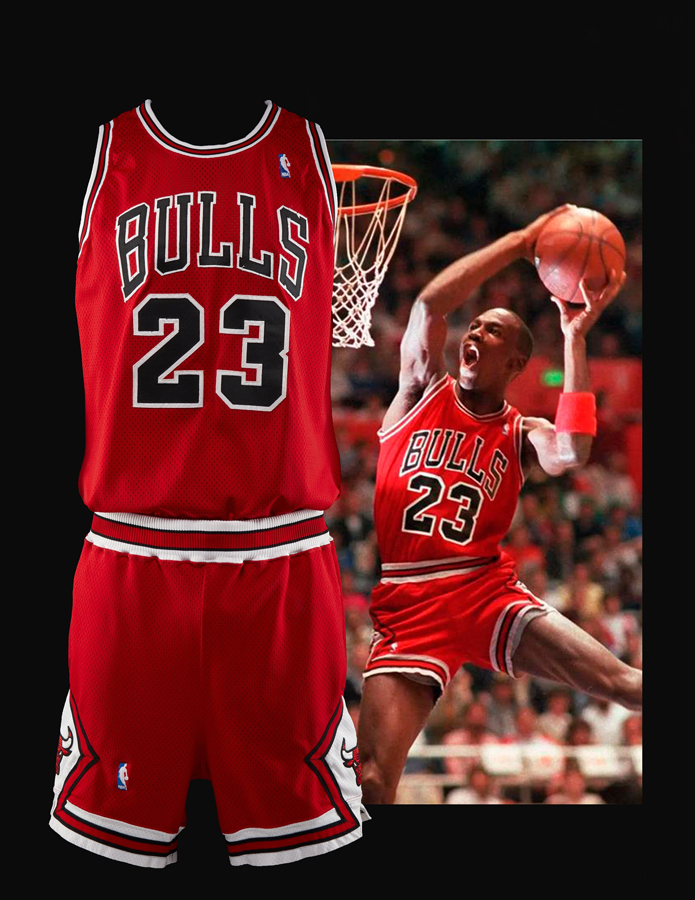
The world of game-worn jerseys is not immune to the eye appeal effect. From the ornate design of this 1954 Hank Aaron rookie jersey to the striking red color on this top-notch 1992-93 Michael Jordan full uniform, the way a jersey takes hold of the buyer’s eyes has a direct correlation to its final price. The Aaron jersey sold for $2.1 million in an August 2024 Heritage auction, and the Jordan uniform realized $2.62 million in May 2025.
In the world of sports collectibles, this principle applies to every imaginable category. Eye appeal can dramatically impact the market for cards, game-used bats, Type I photos, game-worn jerseys, unopened boxes, tickets, autographs, advertising pieces, trophies, and nearly everything else a collector can collect. Of course, the power of a collectible’s aesthetic quality isn’t limited to sports. Visual allure plays a significant role in every collectible category, and it has always done so.
As we head into 2026, the difference today is in its degree of impact.
Collectors are making it known, with their wallets, that eye appeal matters in the most consequential way. The coin market has embraced it, and premiums paid for specimens with beautiful toning are extremely common and often immense. Comics exhibiting extraordinary artwork and color frequently vault to the top of want lists. Even Dorothy’s iconic ruby slippers from The Wizard of Oz (1939), which sold for an astonishing $32.5 million in 2024, benefited from looking like, well, sparkling ruby slippers.
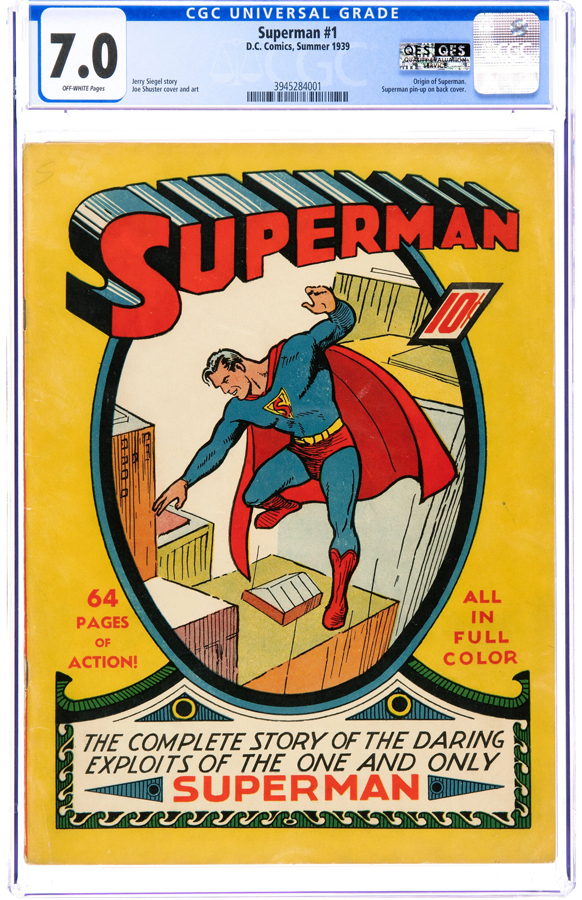
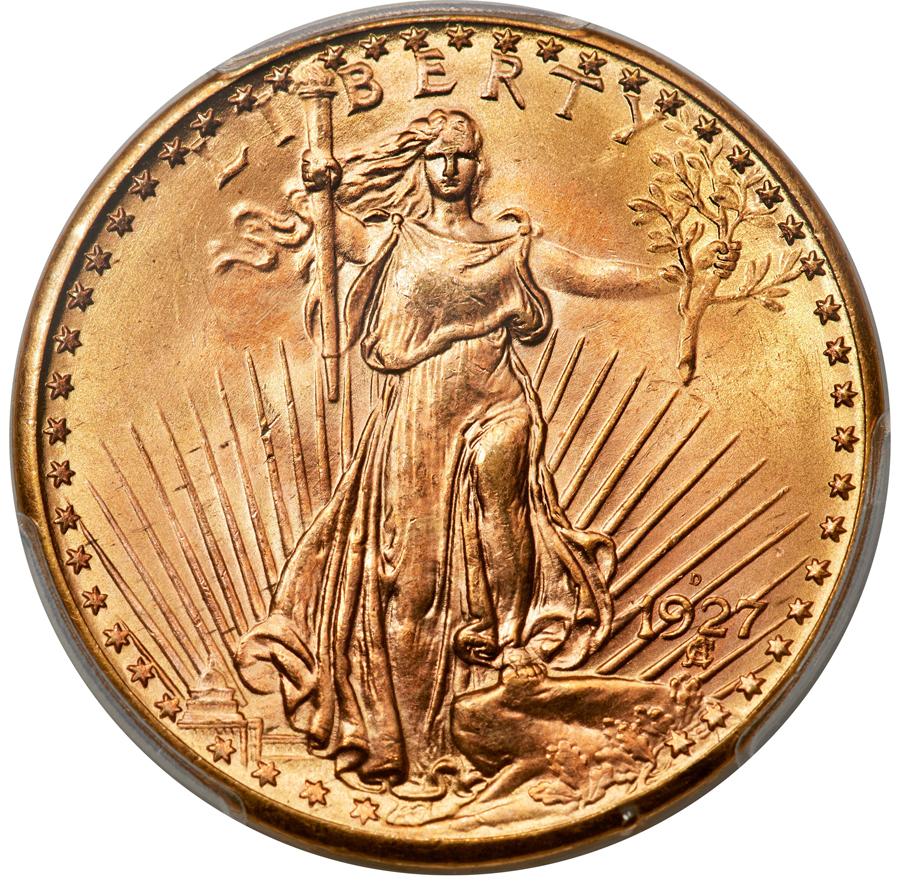
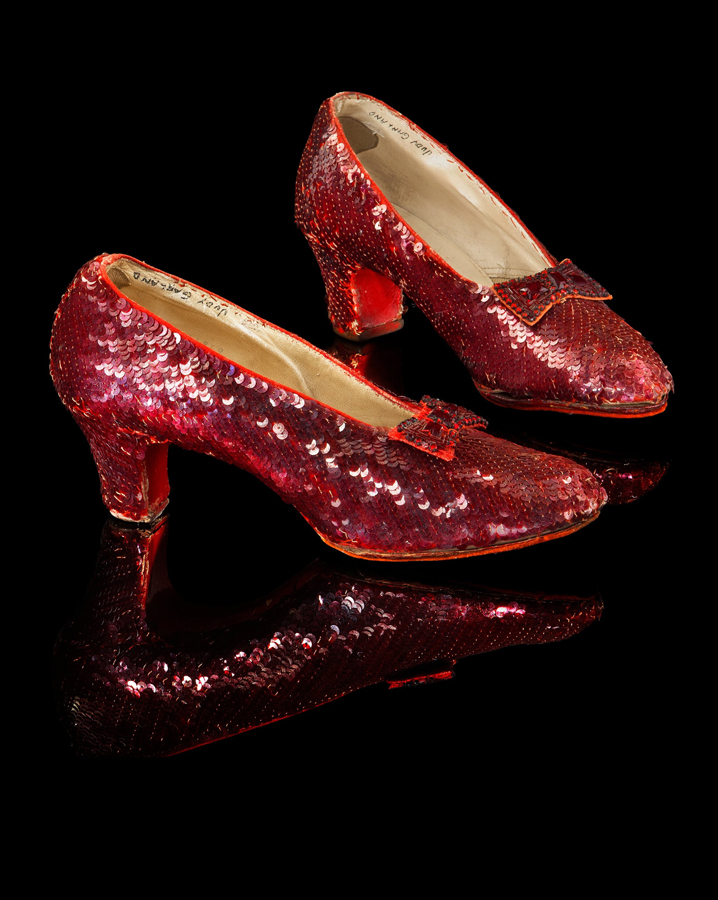
The impact that extraordinary eye appeal can have on collectibles from various categories outside of sports can be seen in the price premiums paid for those examples that possess it. This exceptional copy of 1939’s ‘Superman’ No. 1 realized $2.34 million in a January 2024 Heritage auction; this 1927-D Saint-Gaudens double eagle, graded MS65+ by PCGS, sold for $3.84 million in January 2025; and this pair of screen-matched ruby slippers from ‘The Wizard of Oz’ brought a record-breaking $32.5 million in December 2024.
What do all the collectibles above have in common? They are striking. They are eye-catching. They are cool to look at.
When you wander through a museum, the paintings and sculptures that speak to you do so loudly. You are instinctually drawn to them. When you see a beautiful watch, car, home, or piece of furniture, you know it. Oftentimes, the attraction is immediate. You don’t have to wrestle with the idea of whether it has this “X” factor or not. Unlike other attributes a collectible might possess, which may or may not require more time to process or research, your reaction to its appearance is instantaneous.
As simplistic as it sounds, collectors – and most humans, for that matter – are captivated by visually magnetic objects.
In other words, and in many cases, collectors want items that look great.
Do factors such as scarcity, popularity, and third-party grades remain key to assessing value? Absolutely, but I would contend that our attraction to a collectible’s “look” has begun to overpower our technical assessment in a more meaningful way than ever before. You can see the results across the hobby spectrum. The prices realized for collectibles that have it are becoming both stunning and consistent, and as you travel up the value ladder, it becomes increasingly important.
If a collector is considering spending six, seven, or even eight figures on a collectible, you better believe it matters.
In fact, it is not uncommon for two items of virtually the same caliber, in almost every other respect, to generate wildly different results in the market. How can one Type I Babe Ruth photo sell for $500,000 and the other $500, when each image was both taken and developed during the same year? While it’s true that various factors come into play, such as the content of the photo and its context, the weight given to the artistic quality of the image is colossal. It’s certainly hard to quantify, but the beauty or character of a vintage photo makes us desire it more.
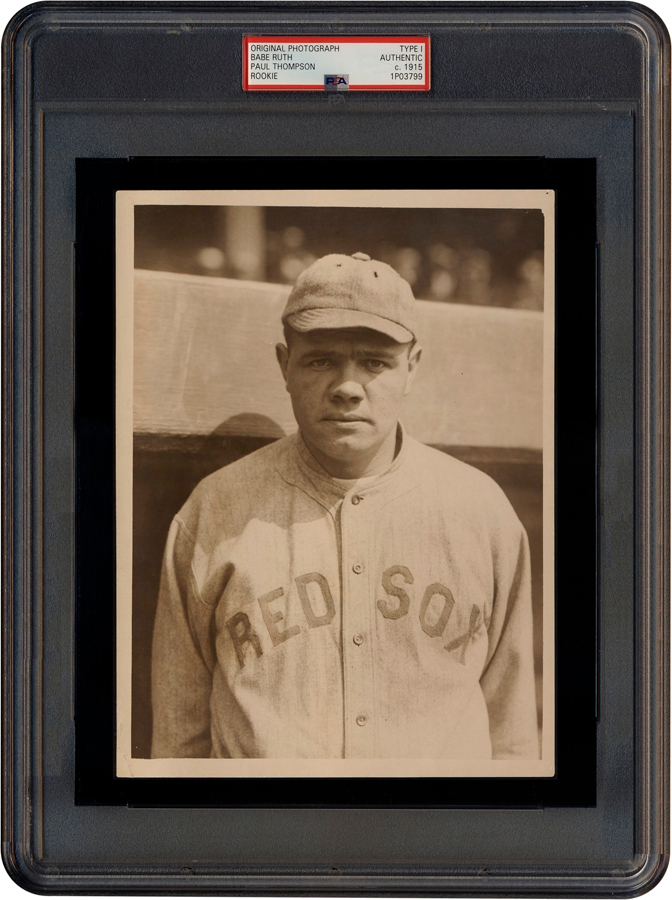
If there was ever an example of ‘beauty is in the eye of the beholder’ on full display in a sports collectibles category, it is within the vintage photo market, where artistry arguably matters just as much as any other attribute. This beautiful Babe Ruth photo can be found in Heritage’s Best-In-Class online gallery.
With cards, centering can vary significantly, even in higher grades. Today, centered copies almost always sell for more than those exhibiting marginal centering. Color and print quality can range just as much, if not more, than centering on some issues. These attributes can also be just as impactful, if not more so, than centering depending on the design of the card. The examples that stand out, or “pop,” receive more attention from collectors, and you can find eye appeal in every grade.
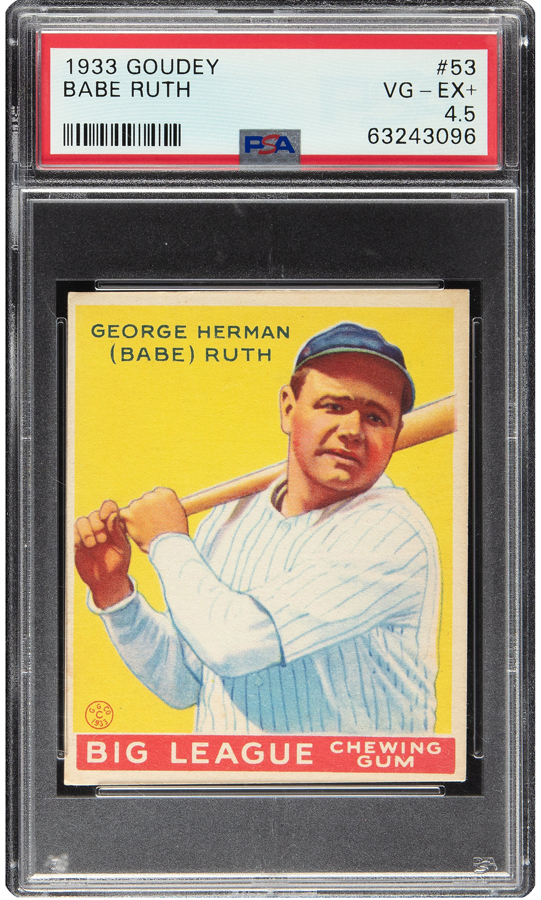
When a card exhibits a level of eye appeal that goes beyond its technical grade, the results are crystal clear. In an October 2025 Heritage auction, this PSA VG-EX + 4.5, 1933 Goudey Babe Ruth #53 sold for $57,340, which is significantly higher than the average price for that grade range. The vibrant color was astonishing for both the issue and the grade.
Sometimes our reaction to a piece that doesn’t possess this kind of charm is delayed. I have experienced this myself. Over the years, I have amassed a diverse collection of items, but game-used bats have remained at the heart of my collection for quite some time. One day, I was rearranging my bat display and interchanging some gamers when I was struck by the realization that one of the bats didn’t belong in the group.
I have collected bats of different brands, models, players, and eras, but the variety of bat types wasn’t the problem. Bats from divergent times are usually diverse in appearance as well. My focus had always been on the character of the bat, from its player or usage traits to its eye appeal. These are the features that become part of the bat after it is made. Then, while lining up about 10 of my bats next to each other, it was apparent that one was an outlier, in a somewhat negative way. I recognized that its presence ruined the uniformity of my collection.
What it did have in terms of evident use and technical attributes, it lacked in visual power that all the others possessed. Simply put, it wasn’t pretty, at least from a bat connoisseur’s perspective. Ironically, the bat was a superb example from an expert’s perspective, but the bat was missing “it,” and “it” matters to the buyer, sometimes just as much or more than the grade evaluation.
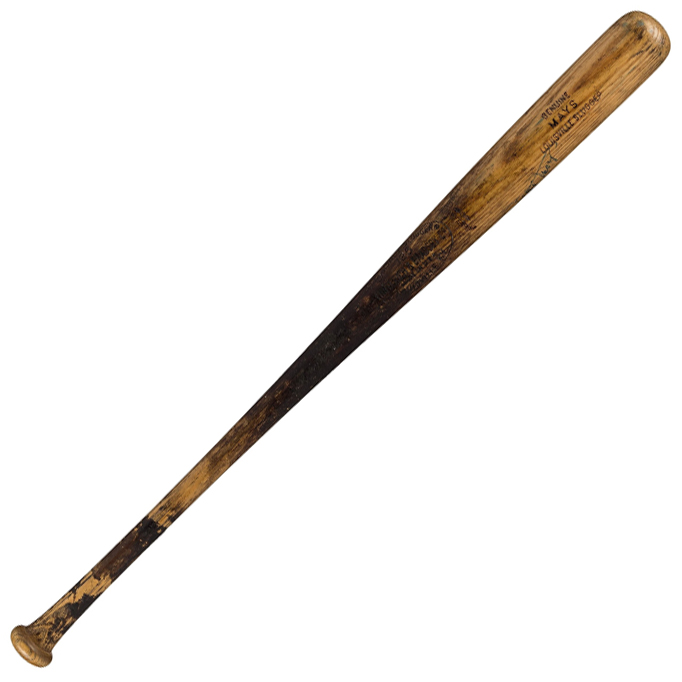
Just like other collectible categories, the exceptional character and look of a game-used bat can often send examples that are blessed with it to a higher value tier. This PSA/DNA GU 10, 1970 Willie Mays bat, which can be found in Heritage’s Best-In-Class online gallery, is an extreme example. When lying next to other Mays bats, even ones that have achieved an equivalent grade, its visual superiority is evident.
What is the moral of the story?
The laws of attraction are universal.
So, as you continue your collecting journey, do yourself a favor. Trust your eyes. They are a window to your taste. More importantly, they will often guide you to better buying decisions. If the visual attributes can influence you in a certain way, they are likely to do that to others, and that will matter if you ever decide to move on from that collectible down the road.