
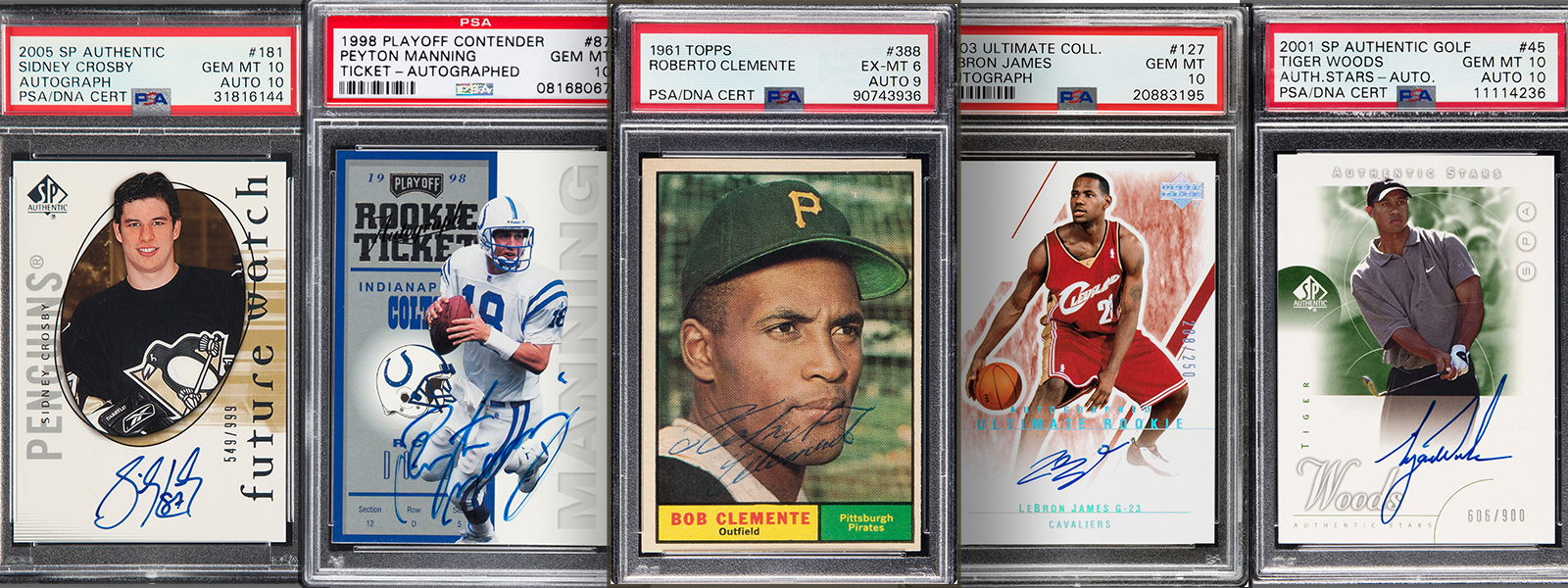
ONCE SHUNNED BY SOME HOBBYISTS, SIGNED SPORTS CARDS HAVE BECOME BIG BUSINESS
By Joe Orlando
Over the past quarter century, several different collecting categories within the sports hobby have enjoyed their moment in the sun as the industry continues to evolve, mature and grow. From game-used relics to vintage photos to unopened treasures, some of the market changes have been explosive at times. These changes have been particularly evident in the past several years.
One of the most noticeable areas of steady growth during the past decade or so has come from the signed sports card segment. What was once considered taboo by the traditional card community has now become the preferred autograph medium, even over the classic single-signed baseball. So, how did we get here, and what does the future hold for this robust category?
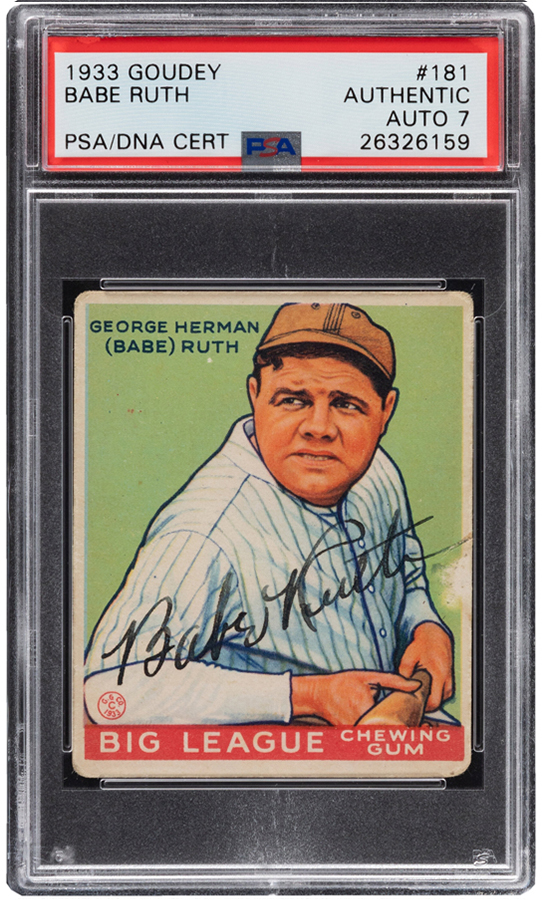
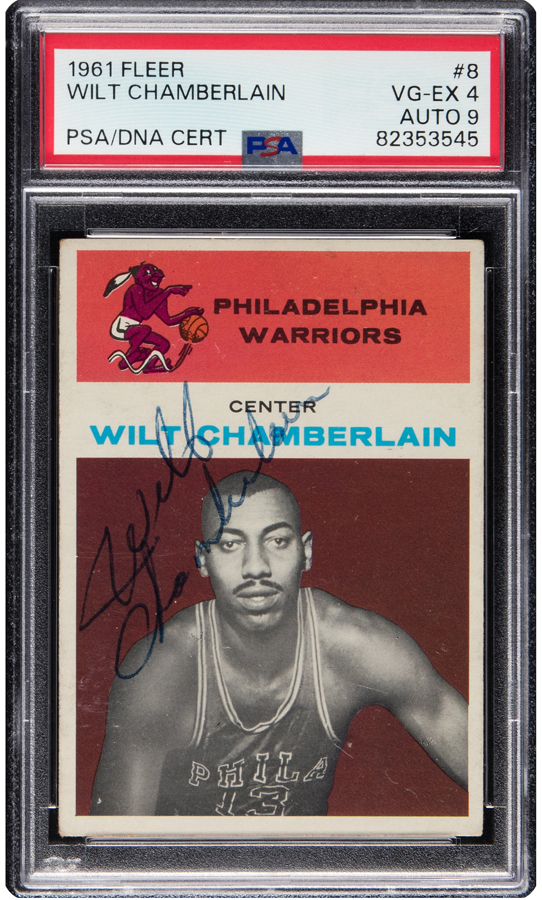
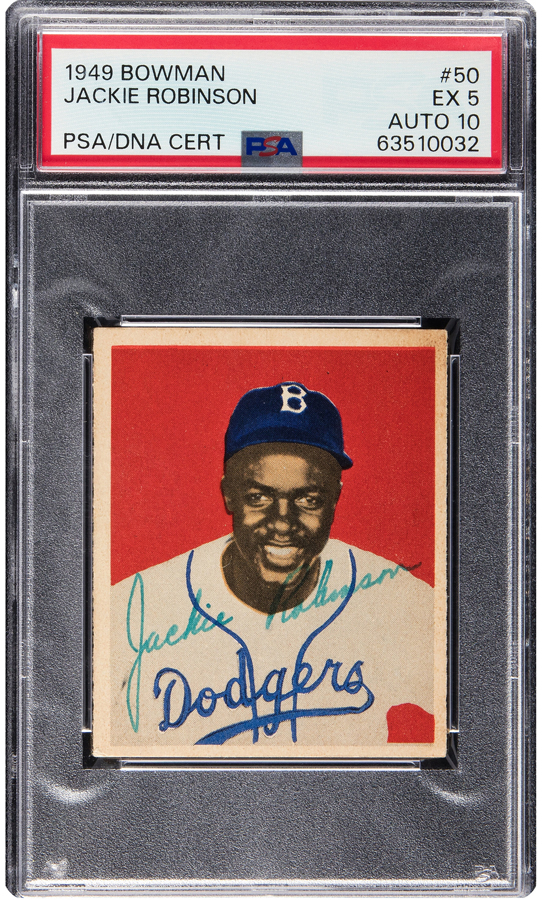
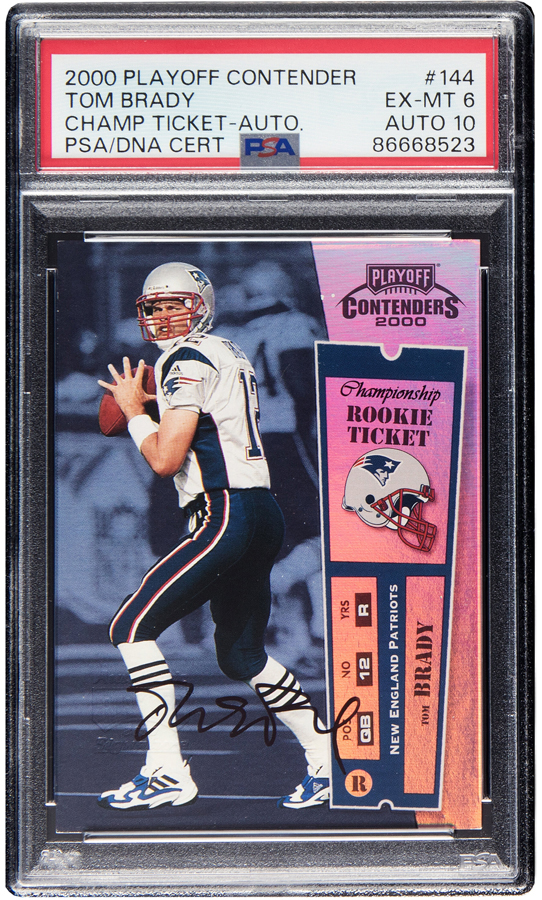
At one time, the hobby wasn’t as accepting of signed cards. Today, they represent some of the most prized collectibles in the hobby, like these examples of Babe Ruth, Wilt Chamberlain, Jackie Robinson and Tom Brady.
A Brief History
When the hobby went through its first major metamorphosis in the 1980s, there was no question a general divide existed between traditional card collectors and those who accepted and coveted autographed cards. It’s not that signed cards weren’t around or sold; it’s that a large faction of hobbyists shunned them. The market for signed cards was better described as “niche” than mainstream.
In the minds of most card collectors at that time, an autograph defaced the card. To them, the writing was a foreign object invading and modifying the card’s original state. It was perceived as a hobby sin, and the purists wanted everyone to know it. There is no doubt that some collectors still feel that way today, but that has not prevented many from embracing this ultra-popular collectible.
Part of the acceptance has been the collective realization that there is room for both in this hobby, and they can be classified as two distinct collectible types. One’s presence doesn’t hurt the other. The signed card merely creates another way people can collect them, and their existence helps expand the horizons for those willing to take the plunge into the signed card world.
The moral of the story is that there is something for everyone in the hobby.
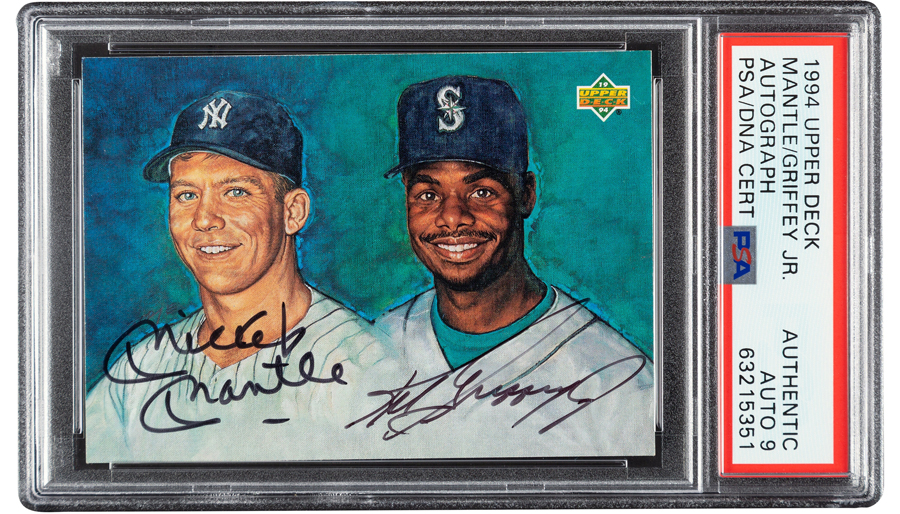
Not only do these signed collectibles bring together two popular hobby categories in autographs and cards, but they also occasionally bring together icons from different generations, like this 1994 Upper Deck card of Mickey Mantle and Ken Griffey Jr. did.
A Perfect Marriage: Autographs and Cards
On their own merit, cards and autographs offer plenty of appeal, but they didn’t always peacefully coexist. Collectors are drawn to cards, in part, for the nostalgia, eye appeal and simplicity. They are also drawn to the card market because of its structure, liquidity and the available information that comes with it. Of all the collectible categories in sports, it would be hard to argue that any other market is as efficient as the one in cards.
The allure of autographs is altogether different. It centers on the personal touch. In some way, the autograph brings us mere mortals closer to the superhuman signer, and it marks a moment in time when the athlete or celebrity was one with the medium they were applying their name to. It’s a kind of fingerprint that often reveals something about the person and the time it was signed.
However, what if you could have both?
Like peanut butter and jelly, peanut butter and chocolate, or peanut butter and anything for that matter, it turns out that autographs and cards make for a great combination. Collectors have voted with their wallets, and the excitement in the space has been emphatic. Signed cards were once on the outside looking in, but now the marriage between the two categories seems built for an everlasting union.
Once that lightbulb went on, it lit up the hobby like a pinball machine.
Signed From Inception
One of the changes at the manufacturer level that helped influence the shift in signed card sentiment was the practice of including autographed cards in their annual releases. In fact, these autographed cards are almost always viewed as a premium product versus the base cards. The practice of inserting signed cards into packs or used as box-toppers started in the 1990s and gradually became more commonplace as we entered the 2000s.
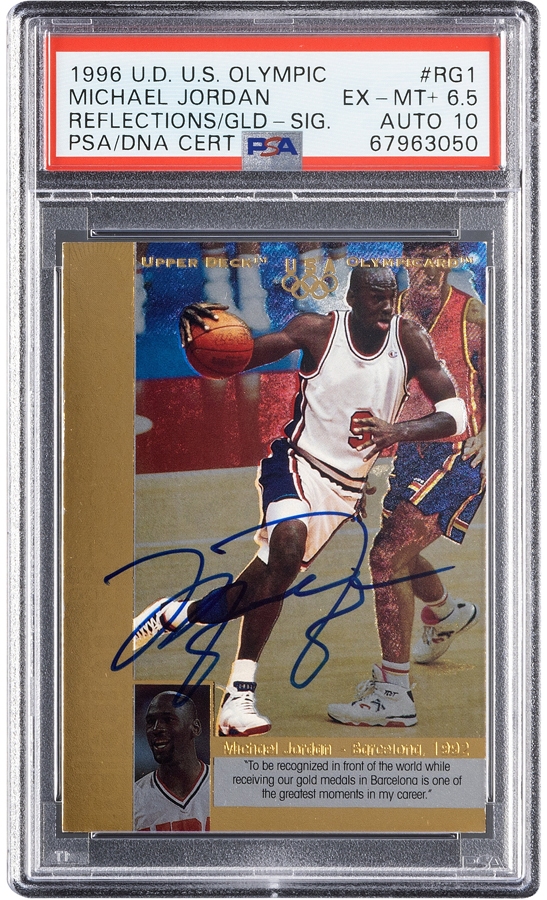
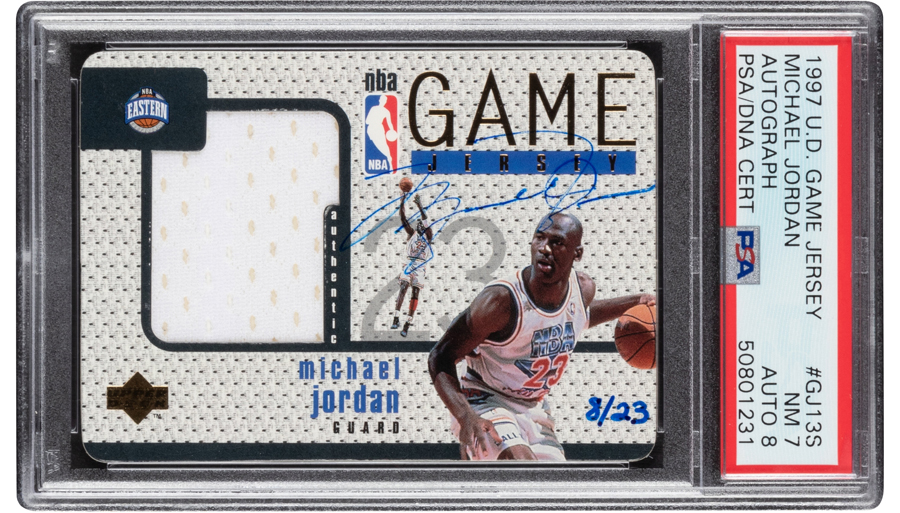
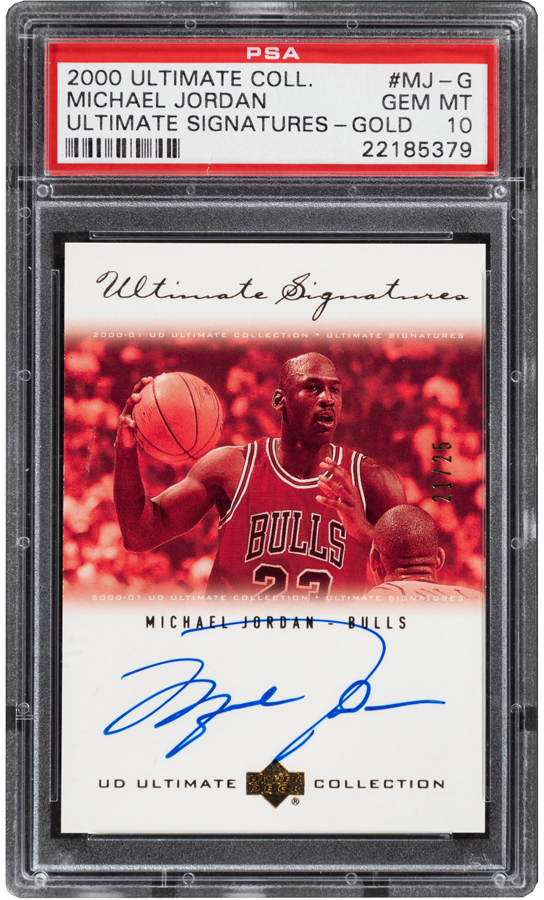
When manufacturers started issuing signed cards with their product or as a premium, it is no surprise that Michael Jordan was chosen as the face of this movement.
Once the collecting community had spoken, there was no looking back. Collectors wanted signed cards, and more and more young people were now used to seeing signed cards emerge right from the pack. It turned the tide. Of course, it didn’t hurt that Michael Jordan operated as one of the faces of this movement in its early stages. To this day, Jordan can be found on some of the most valuable signed cards ever produced, and some of them have reached the seven-figure mark and beyond at auction.
Sometimes acceptance is as simple as exposure. Manufacturers were looking for a new way to inject excitement into their unopened merchandise, and that unified effort produced one of the most seismic shifts the hobby has ever seen. The signed cards often became the ones collectors chased. They were the Willy Wonka Golden Tickets of the card world. Sometimes the autographs were paired with jersey swatches or slivers of game-used bats, and they were usually part of a limited/numbered run. The bottom line is that these cards were now categorized as the special ones.
The signed card enjoyed a rebirth when the cards were born signed, a decade after the first hobby boom, and it changed the hobby forever.
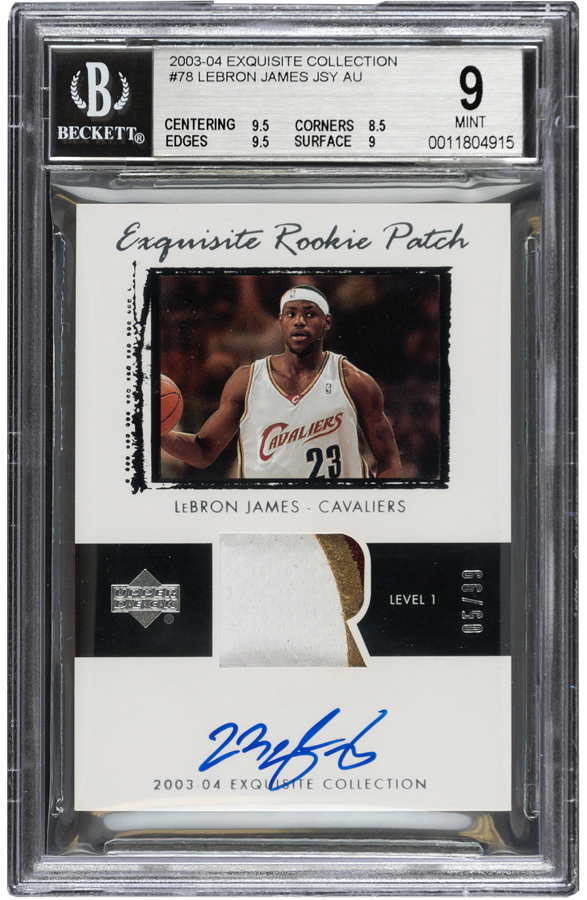
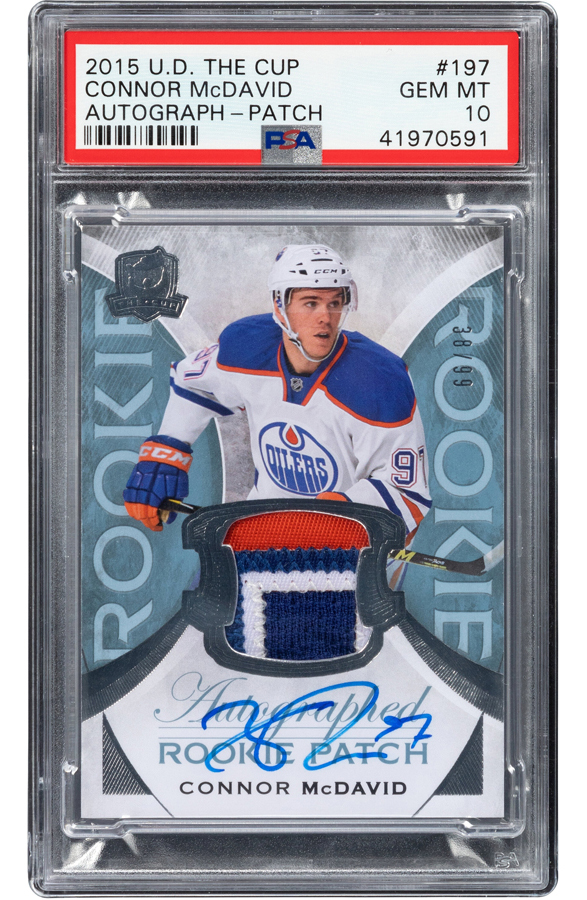
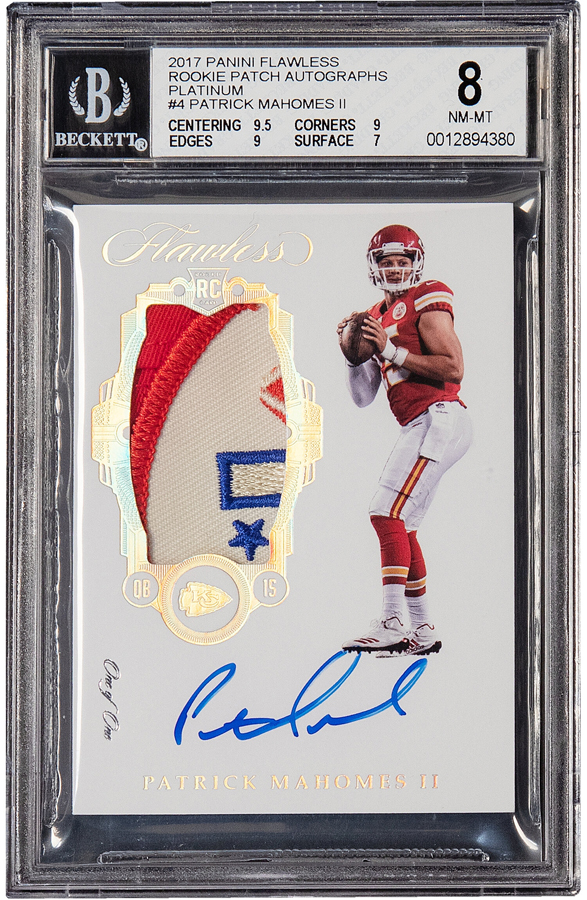
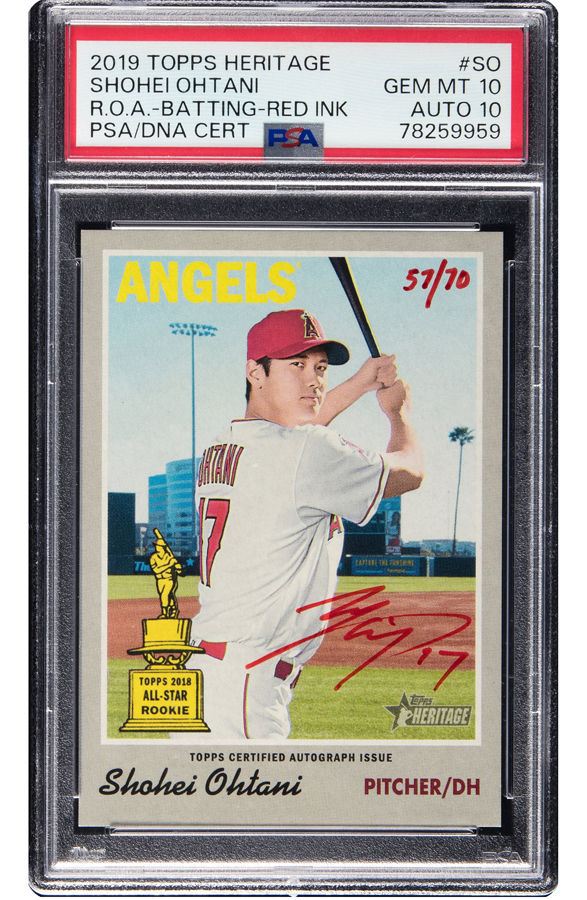
Once the autographed card concept caught on with collectors and manufacturers saw the results, it became the norm in virtually every major sport.
A Space Advantage
In the autograph world, the menu of mediums can vary quite a bit. From jerseys to bats to footballs to hockey sticks to helmets, the one thing that many mediums have in common is that they can take up a lot of space. Even signed baseballs, which are relatively small compared to much of the above and extremely popular, can start taking up meaningful real estate in volume. This predicament rises to another level when a collector wishes to display the autographs in some way.
With signed cards, even those encapsulated by a third party, size is on your side. You can collect signed cards by the hundreds, if not more, and they take up very little space. Most collectors start running out of room at some point in their lives, and having a family can really exacerbate this problem. As comedian Chris Rock said in one of his most memorable standup specials, Daddy often gets “the big piece of chicken” as his household reward.
Collectors might still get our version of the big piece of chicken on occasion, but we also might lose control of most areas in the house. Marriage, children and pets can change the way your available square footage is utilized very quickly. Even your man cave can morph into your man box before you know it. It’s a cautionary tale, but it doesn’t have to be a horror story. If we plan for the future and think about space, it can lead us to mediums that are more easily handled.
Space matters to a collector, and the attractive size of signed cards cannot be overstated.
Period, Placement and Provenance
The market for signed cards is still developing as more collectors discover the category and all it has to offer. Signed cards can act as a complement to a collection of other things, or they can stand alone as the foundation itself. While room for continued maturity remains, there are some principles and attributes that are becoming increasingly relevant and impactful as participation increases. Three particular ones come to mind, and they tend to influence the market for vintage signed cards, as well as more modern issues not obtained directly from the manufacturer, the most.
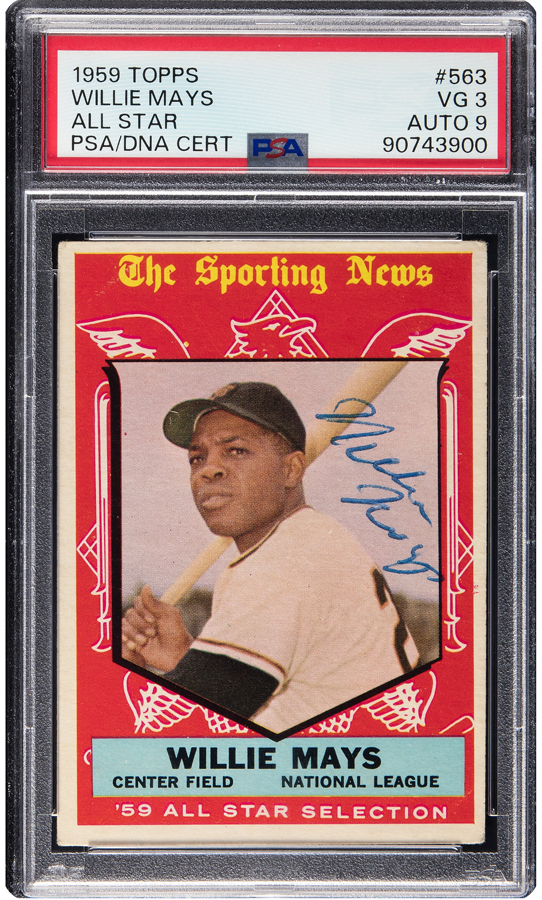
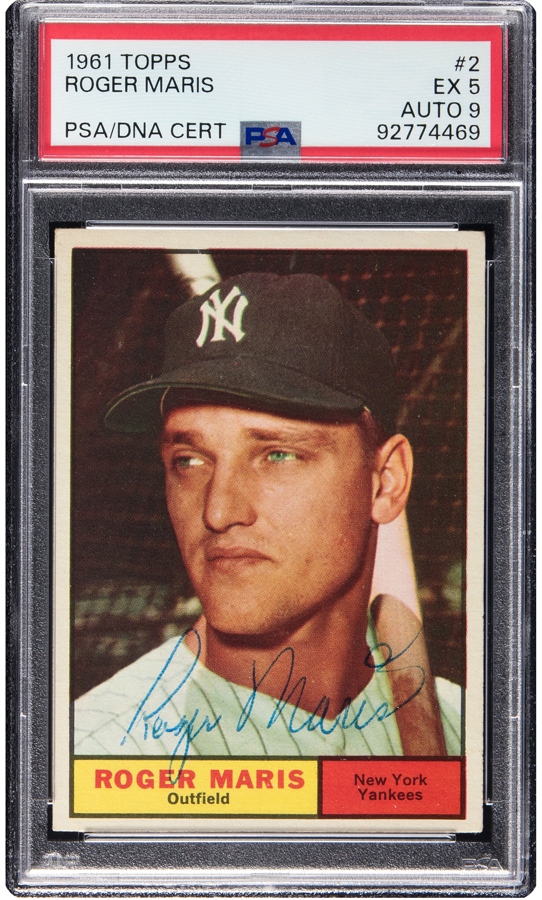
Most vintage cards were signed well after the time they were issued, often during the athlete’s post-playing days. If you can find examples that were signed during the period like this 1959 Topps Willie Mays All-Star and 1961 Topps Roger Maris, the stars align for the collector.
Astute autograph collectors tend to pay close attention to whether the autograph is period versus signed later in the subject’s career or life. Even though price premiums are often garnered for cards that were signed around the time they were issued, or at least during the player’s active duty, this is something that doesn’t seem to be fully appreciated currently. If I had to pick one aspect of the signed vintage card market that hasn’t been fully leveraged, it just might be this one. Period signed cards are far more elusive than ones signed post-playing days, especially those acquired when retired athletes were making the rounds at the shows.
As is the case with unsigned cards, eye appeal matters. More specifically, autograph placement matters. Sometimes the design of the card lends itself to autographs. Other times, desirable real estate on the face of the card is limited. Regardless of the design, there is always a better or best place for an autograph to rest. When it resides in an optimum location or close to it, the overall aesthetics are greatly improved.
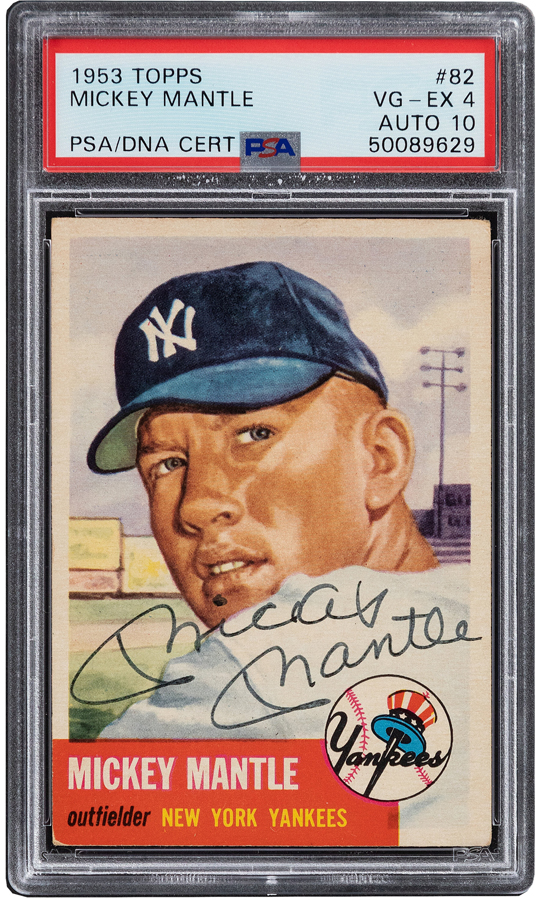
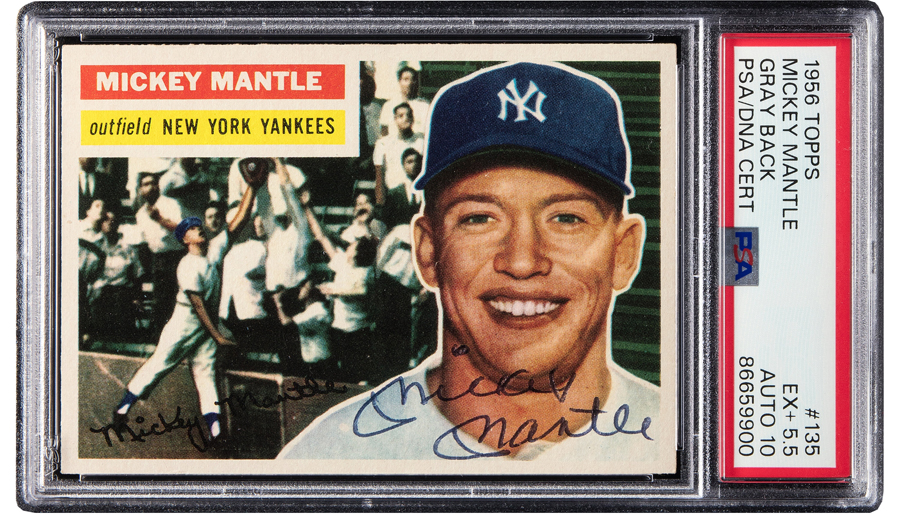
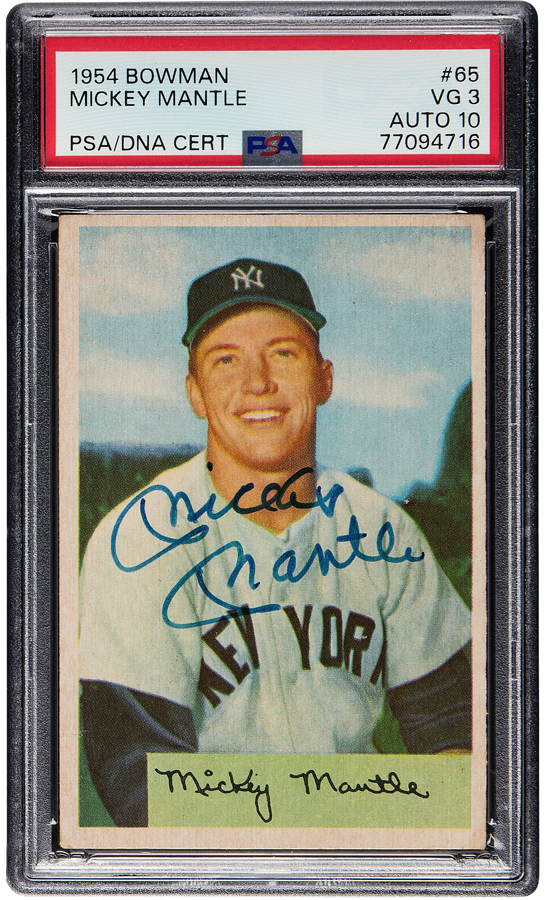
The placement of an autograph can drastically impact eye appeal. Mickey Mantle is a prime example of someone exceptional at finding the right place to apply his unmistakable signature.
Eye appeal matters, but so does provenance. For a very long time, the origin of an autograph didn’t seem to matter much if it passed muster with a credible third-party authentication service, but times are changing. Authentication remains the foundation of an efficient market, but collectors are starting to appreciate that chain of custody more. Unfortunately, like many other collectibles, the pedigree is often lost over time and undocumented. That said, when the story is captured and credible, it can add a dimension to collecting signed vintage cards absent from those without a substantiating tale.
The moral of the story here is not all signed vintage cards are the same, nor should they be treated that way, regardless of their technical assessment.
The future appears bright for autographed cards, and it is hard to imagine the current sentiment changing for this collectibles category, one that offers so much but is contained in such a manageable package.
I think it is safe to say that the autographed card is here to stay.
 JOE ORLANDO is Executive Vice President of Sports at Heritage Auctions. He can be reached at JoeO@HA.com or 214.409.1799.