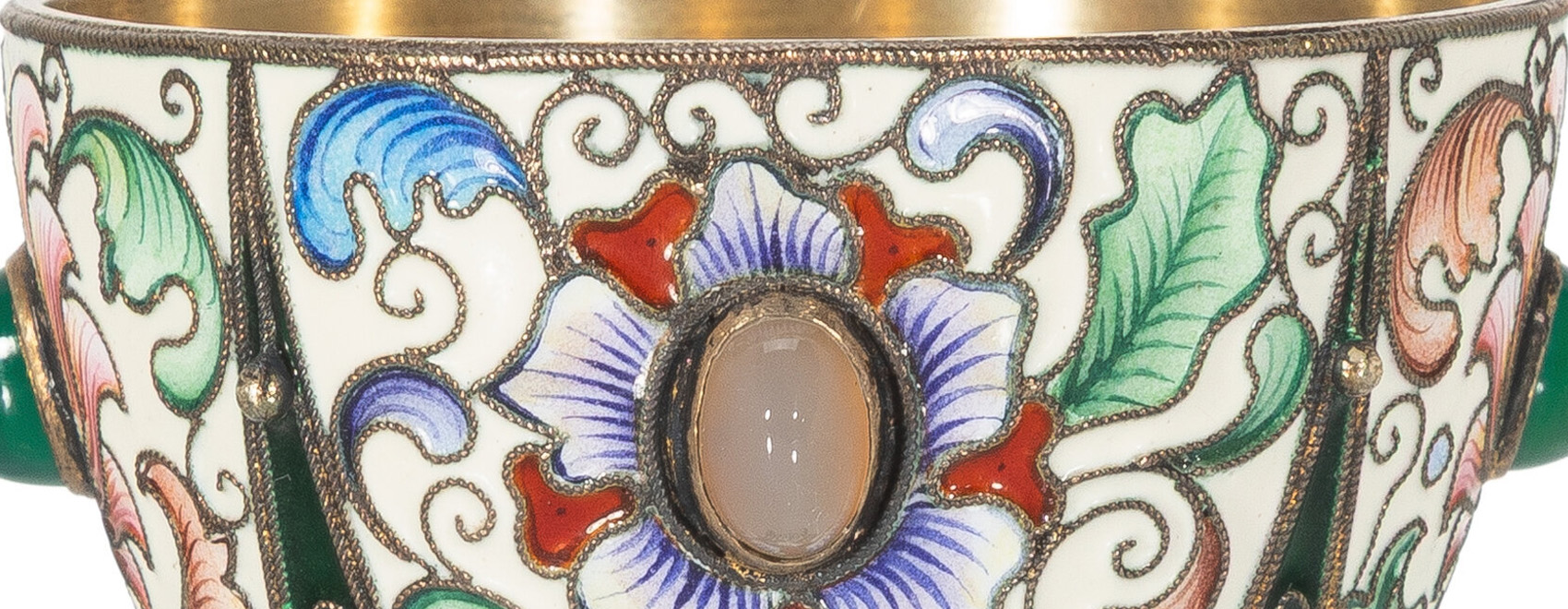
A CLOSER LOOK AT WHAT REALLY MATTERS WHEN COLLECTING FABERGÉ, FROM MASTERFUL CRAFTSMANSHIP AND PROVENANCE TO RARITY AND CONDITION
By Nick Nicholson | May 5, 2026
Fabergé holds a unique place in the world of decorative arts. It is a name almost everyone recognizes, yet one that is often only partially understood. For collectors, the real opportunity lies in moving beyond the familiar and developing a more nuanced view, one grounded in craftsmanship, history, and a careful eye rather than name recognition alone.
Much of the public attention focuses on the Imperial Easter eggs. While they are extraordinary, they represent only a small part of what the firm produced. By the time the first Imperial commission was presented in 1885, Fabergé was already an established luxury house, creating a wide range of objects of vertu such as frames, cigarette cases, desk pieces, hardstone carvings, jewelry, and silver. For collectors, this broader field is where the serious interest lies. The most thoughtful collections tend to reflect variety, bringing together different materials, forms, and workshop origins rather than concentrating on a single type of object.
It is also important to remember that Fabergé was not the work of one individual, but of a highly organized system of interconnected workshops. Leading craftsmen such as Michael Perkhin and Henrik Wigström oversaw production, each contributing their own stylistic and technical preferences. Their involvement matters. Objects associated with prominent workmasters often carry greater weight, both academically and in the marketplace. Attribution, in this sense, is not simply a detail but a key factor in understanding and valuing a piece.
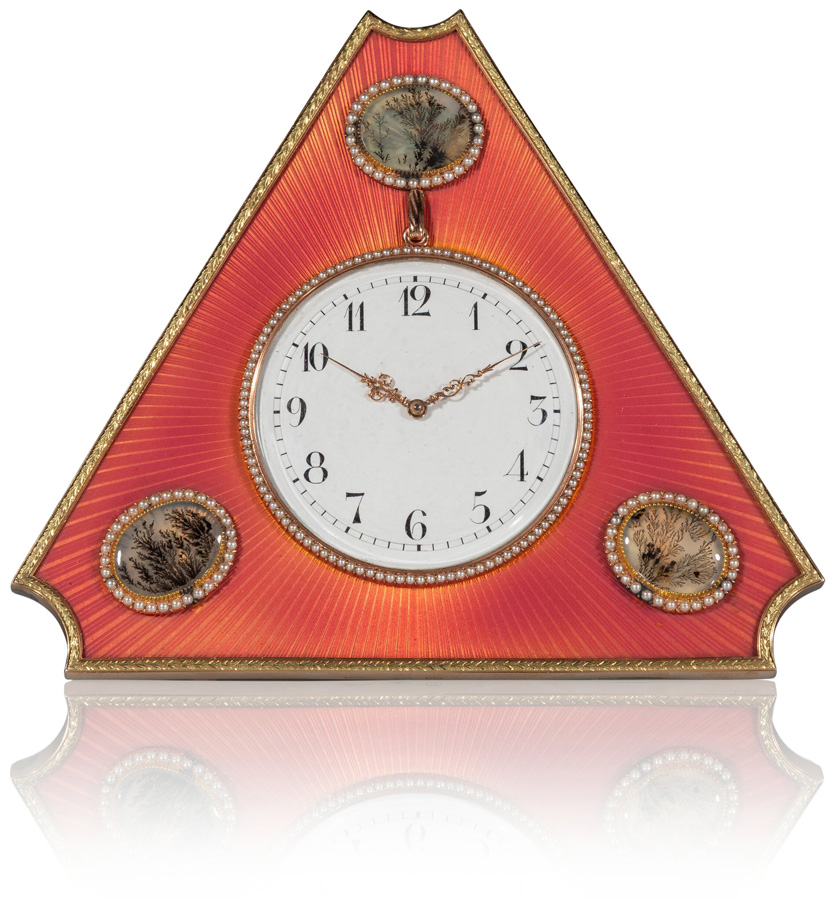
A Russian Imperial Fabergé diamond- and pearl-set translucent pink guilloché enameled gold-mounted gilt silver table clock purchased by Dowager Empress Maria Feodorovna in August 1900. Available in Heritage’s May 20 Fabergé: A Gentleman’s Collection Signature® Auction.
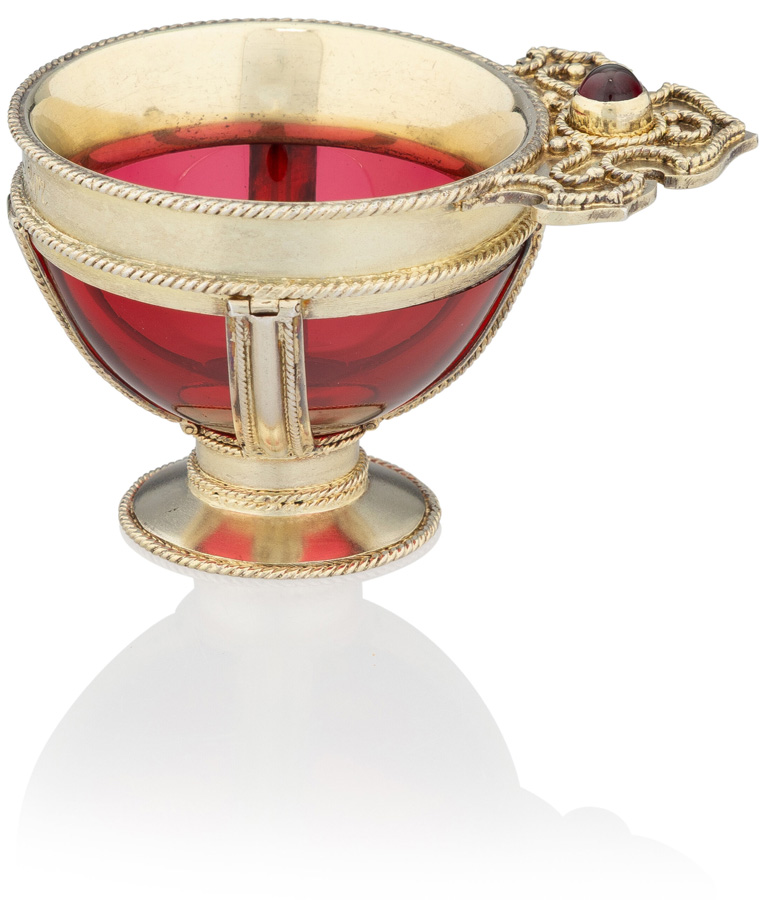
This Imperial Fabergé gem-set gilt-silver mounted ruby glass charka also belonged to Dowager Empress Maria Feodorovna. Available in Heritage’s May 20 Fabergé: A Gentleman’s Collection Signature® Auction.
Provenance is another area where clarity is essential. The term “Imperial” is often used loosely, but true Imperial works were commissioned directly by the Romanov family or from the imperial court for presentation. These works are limited in quantity and are generally well documented. Most Fabergé objects were made for private clients, many of them members of the Russian aristocracy or upper classes. These pieces can be exceptional, but they belong to a different category. When genuine Imperial provenance can be established, it adds a level of rarity and historical importance that significantly affects value. The history of Fabergé objects shapes how they are collected today. The upheavals of the early 20th century led to their widespread dispersal, with many entering Western collections under complex circumstances. As a result, provenance can sometimes be incomplete. Pieces with well-established histories, especially those traceable to early collections, are generally more desirable.

This Fabergé hardstone flower study depicts a spray of contrasting berries carved from jasper and arranged in a rock crystal vase. Available in Heritage’s May 20 Fabergé: A Gentleman’s Collection Signature® Auction.
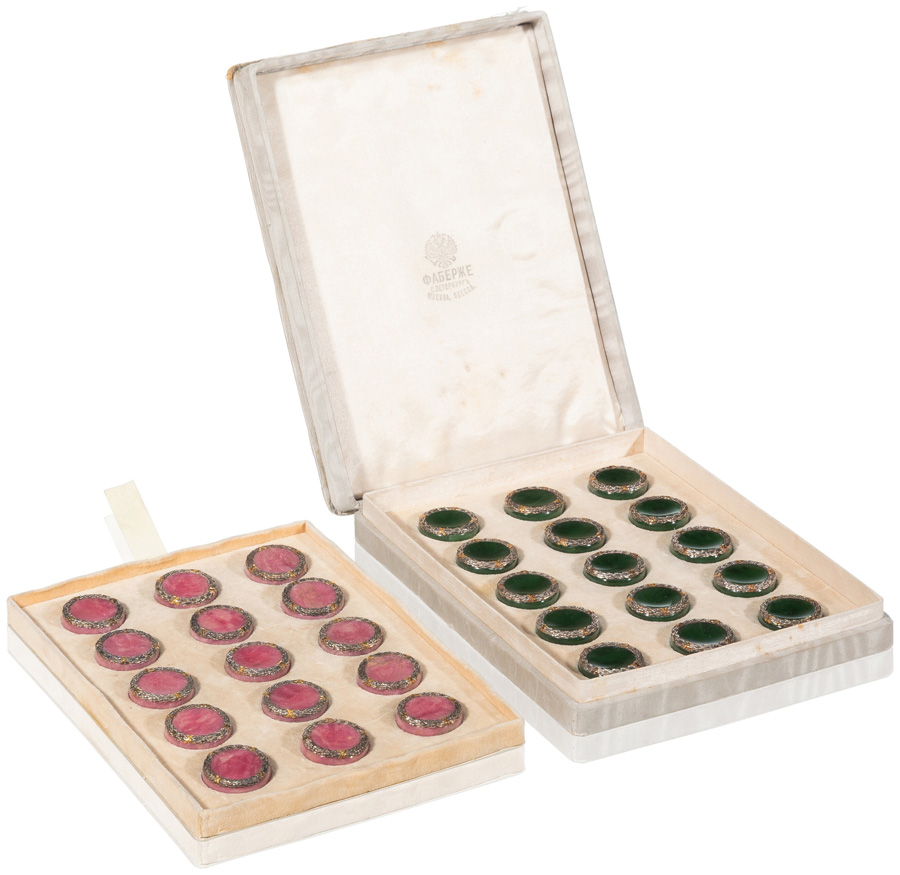
A rare Fabergé gold- and silver-mounted nephrite and rhodonite backgammon set. Available in Heritage’s May 20 Fabergé: A Gentleman’s Collection Signature® Auction.
One of the more common misconceptions about Fabergé is that its importance lies primarily in the use of precious materials. In reality, the firm’s strength is found in its technical mastery and sensitivity to design. Guilloché enamel is perhaps the most recognizable example. The finest pieces display remarkable clarity and depth, allowing the underlying engine-turned pattern to show through the translucent surface. Hardstone carving is equally refined, with careful attention to color and form. Often, it is the restraint in these objects that makes them so compelling.
Condition plays a critical role and deserves close attention. Enamel, while beautiful, is fragile and can be prone to cracking, wear, or restoration. Even small imperfections can have a noticeable impact on both appearance and value. The same is true for worn gilding, replaced elements, or over-polished surfaces. These issues tend to accumulate, so careful evaluation is always important.
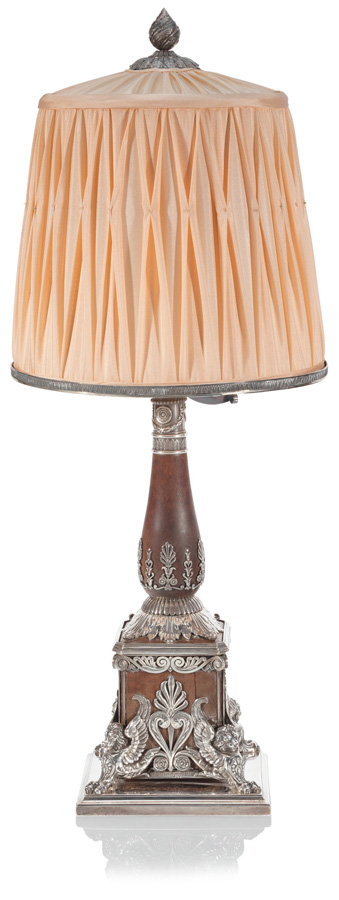
This Fabergé silver-mounted wooden table lamp was presented to Baron Emmanuel Nolde, a distinguished jurist and statesman who played a significant role in the efforts to reform Russia’s imperial government during the turbulent years of 1905-1906. Available in Heritage’s May 20 Fabergé: A Gentleman’s Collection Signature® Auction.
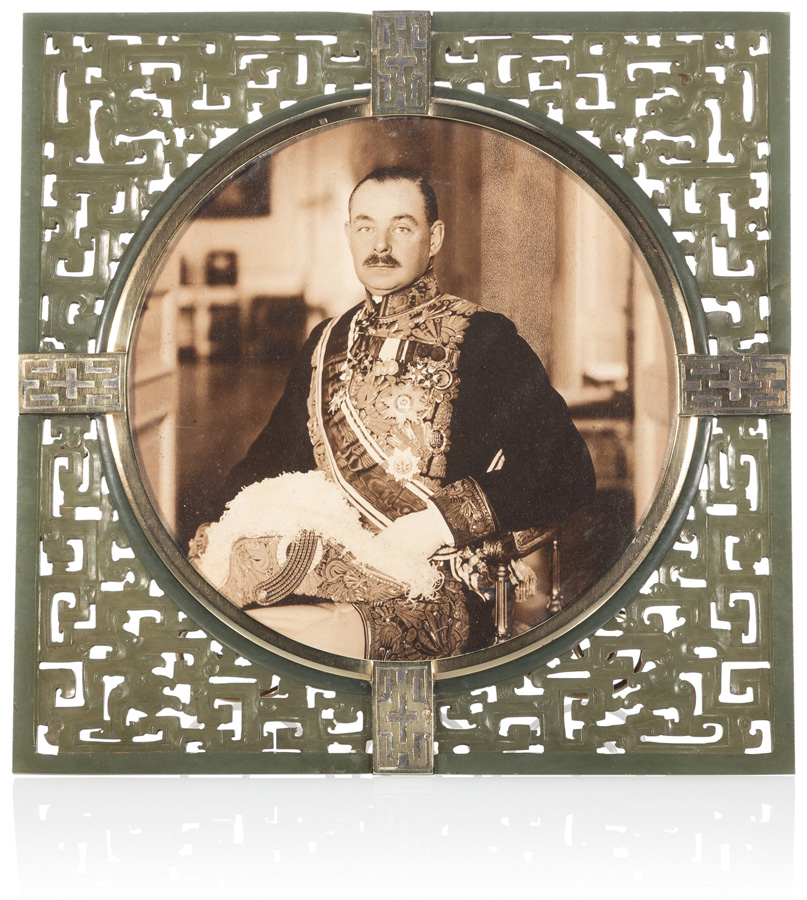
A Fabergé silver-mounted Qing Dynasty reticulated jade photograph frame. Available in Heritage’s May 20 Fabergé: A Gentleman’s Collection Signature® Auction.
Marks and hallmarks are helpful, but they should not be relied upon by themselves. Authentic Fabergé pieces typically include a combination of maker’s marks, workmaster’s initials, standard Russian assay marks, and optimally a scratched inventory number. However, these can be copied. Marks should support what the object itself is telling you, not replace connoisseurship or a close visual assessment.
Imitations and forgeries have existed for as long as Fabergé has been collected. Some were made during the firm’s own lifetime, and others are more recent. With experience, certain patterns become easier to spot. Pieces that feel overly elaborate or excessively jeweled often miss the balance that defines genuine Fabergé work. Authentic examples tend to show a sense of proportion and restraint. Sometimes, works of other terrific makers have been later re-marked as Fabergé, betraying both the Fabergé firm and the original author of the work.
Part of Fabergé’s charm is its practicality. Many objects were designed for everyday use, including cigarette cases, desk accessories, and parasol handles. Despite their functionality, they were made with great care and attention to detail. This combination of usefulness and artistry is a large part of their appeal.
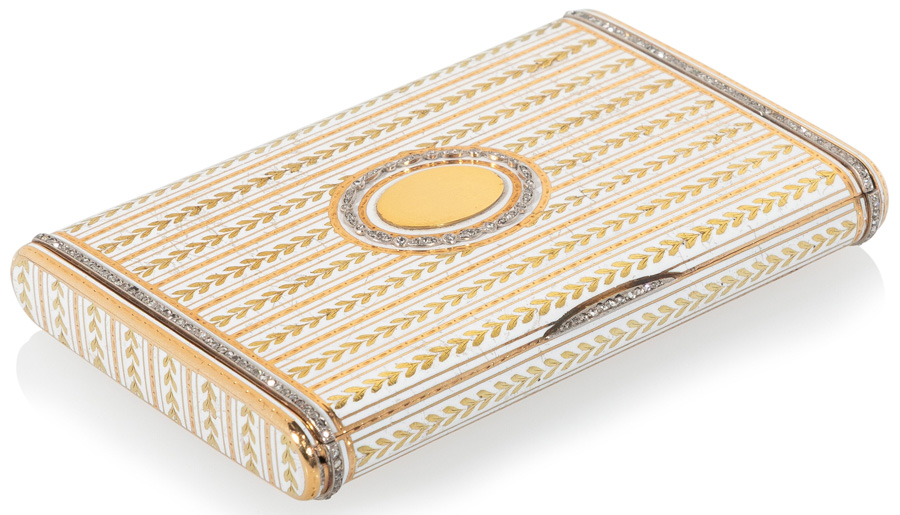
A Fabergé diamond-set opaque white champlevé enameled two-color gold minaudière. Available in Heritage’s May 20 Fabergé: A Gentleman’s Collection Signature® Auction.
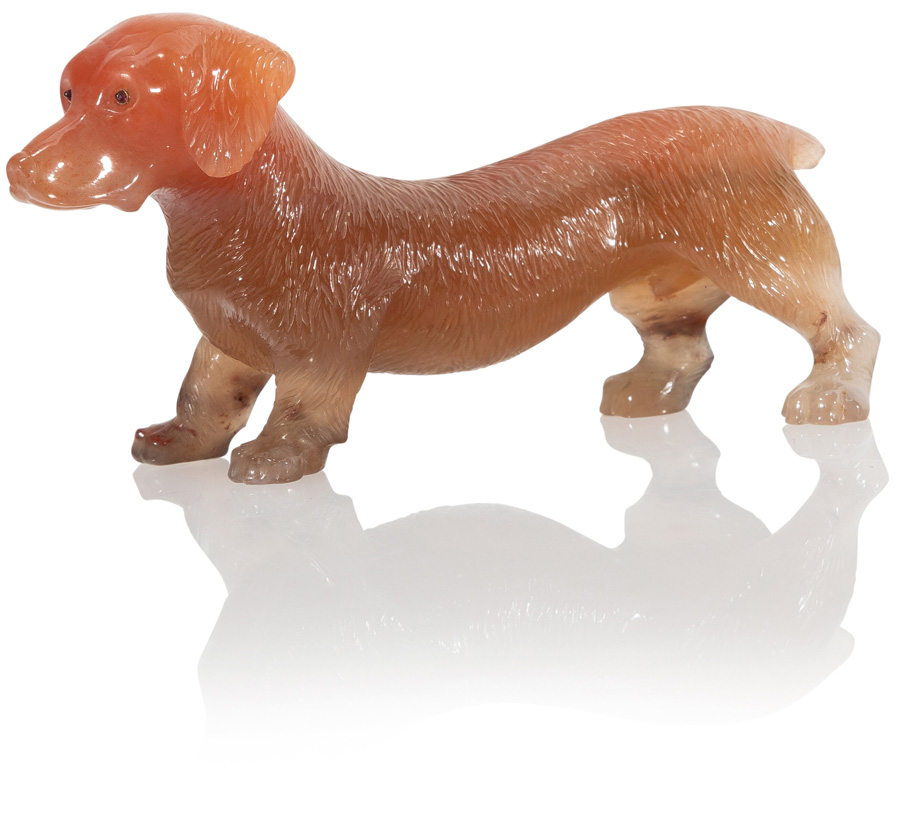
A Fabergé gem-set and gold-mounted agate dachshund. Available in Heritage’s May 20 Fabergé: A Gentleman’s Collection Signature® Auction.
Boxes can be very important in helping determine the period and history of a Fabergé piece. Boxes are widely forged and altered today, and it is important to be as knowledgeable about these valuable secondary items as well.
Rarity is not always straightforward. While Fabergé did not produce in large quantities, some types of objects appear more frequently than others. Within those categories, quality becomes the defining factor. An exceptional example of a relatively common form can be far more significant than a less distinguished piece from a rarer group.
There is also an element of personality that sets the best pieces apart. Fabergé objects often include a touch of wit or surprise, whether through inventive design, unusual materials, or small hidden details. These qualities make them engaging and help explain their enduring appeal.
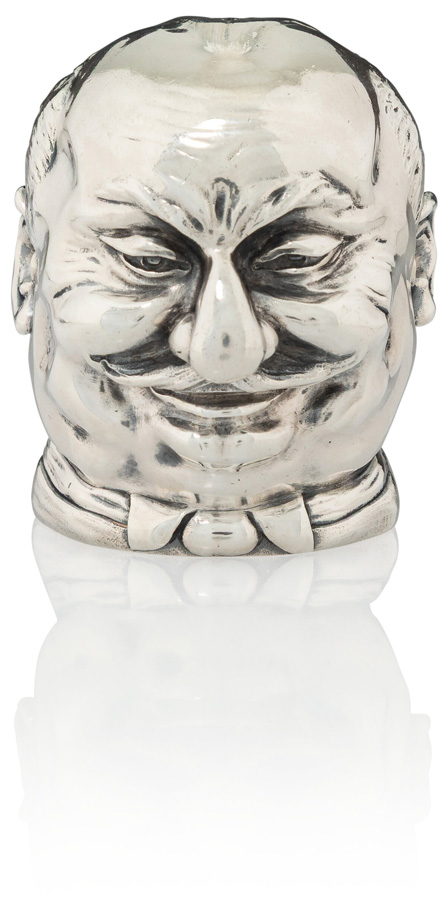
This Fabergé silver vodka beaker depicts Mikhail Antonovich Houriet, who was appointed by Carl Fabergé in 1900 to manage the firm’s St. Petersburg location. Available in Heritage’s May 20 Fabergé: A Gentleman’s Collection Signature® Auction.
The market consistently rewards quality. The finest works, those with firm attribution, good condition, and, when possible, a notable provenance, tend to perform far better than average examples. The difference is not subtle. For collectors, this often means that focusing on one excellent piece is a better strategy than acquiring several that are merely good.
Fabergé is not a field that reveals itself all at once. It rewards patience and careful observation. Over time, collectors develop a sense for what distinguishes a truly strong object. They learn to prioritize craftsmanship and condition, pay close attention to attribution and provenance, and trust their eye and their advisors. That process takes time, but it is what makes collecting Fabergé both challenging and deeply rewarding.