
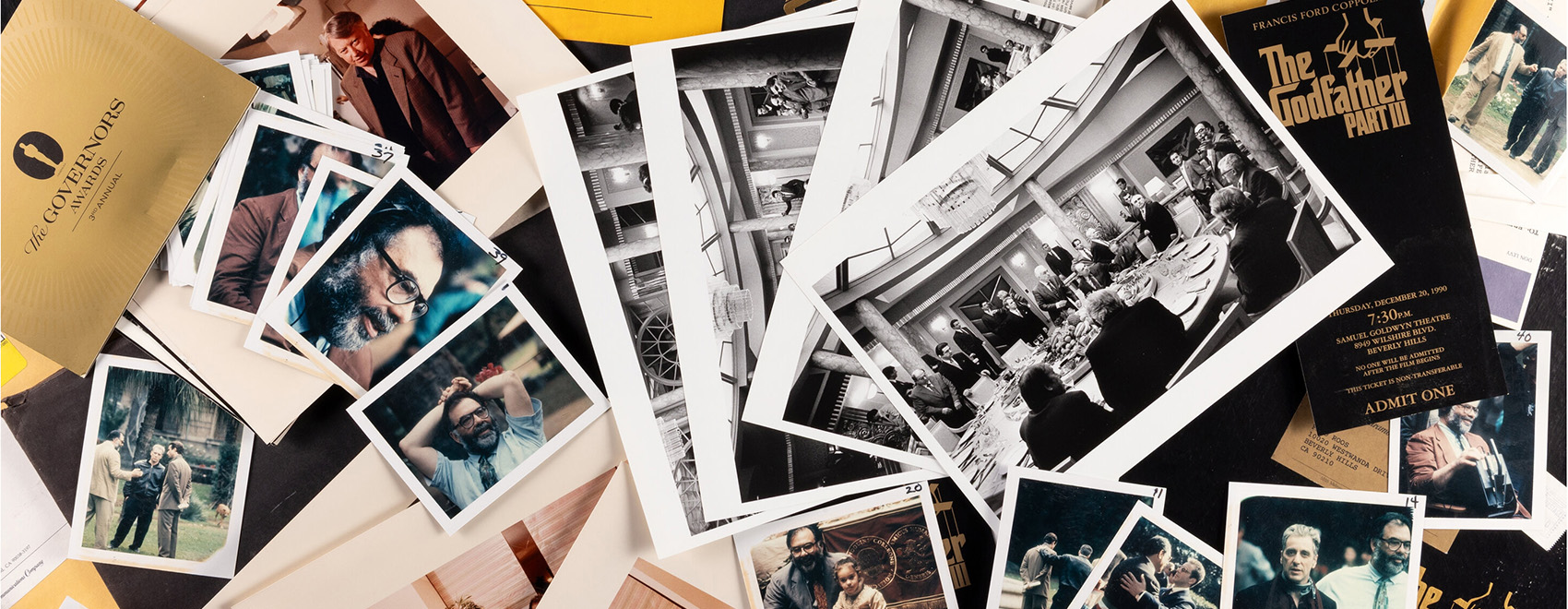
THE OSCAR-WINNING PRODUCER HAD AN EYE FOR TALENT, CHAMPIONING THE EARLY CAREERS OF HARRISON FORD, CARRIE FISHER, AND MORE
By Colin Tait | December 2, 2025
As a lifelong fan of 1970s cinema, I thought I knew the landmarks – The Godfather, Star Wars, Apocalypse Now – and the legends behind them. But spending the past few months immersed in Fred Roos’ archive, which encompasses 70 lots in Heritage’s December 9-10 Hollywood/Entertainment Signature® Auction, has taught me something else entirely. It’s like stepping behind the curtain of an era I thought I understood and realizing that there was someone quietly guiding it all – matching actors to roles, solving production crises, discovering new voices. Not for glory, but for the sheer belief in what movies could be.
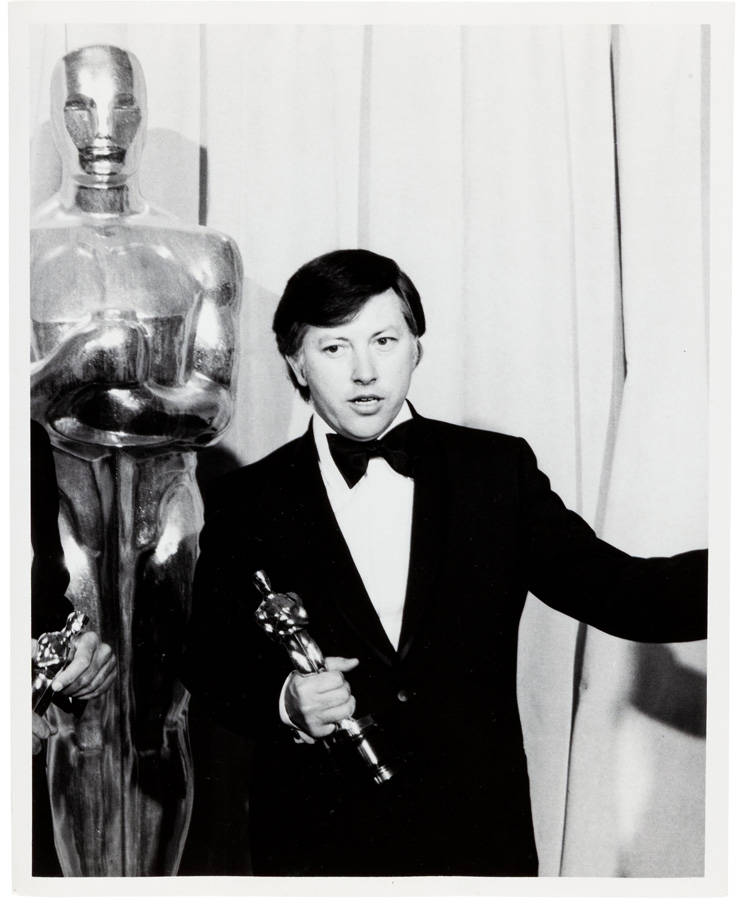
Fred Roos with his Academy Award for 1974’s ‘The Godfather Part II.’ This photograph is one of 100-plus behind-the-scenes photos and press materials available in a single lot in Heritage’s December 9-10 Hollywood/Entertainment Signature® Auction.
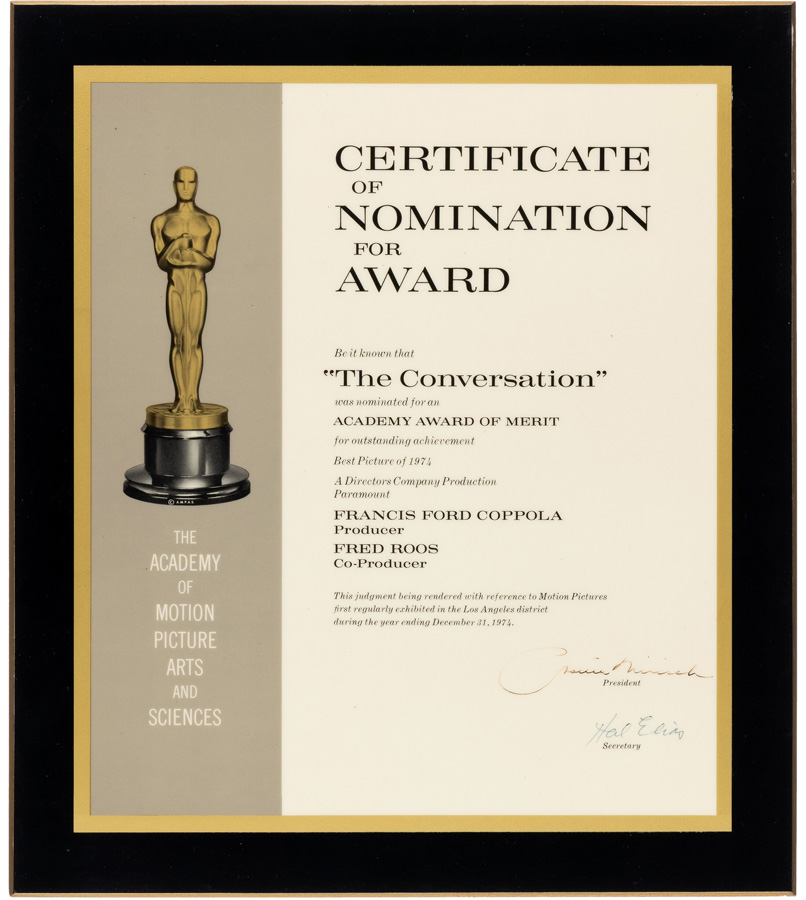
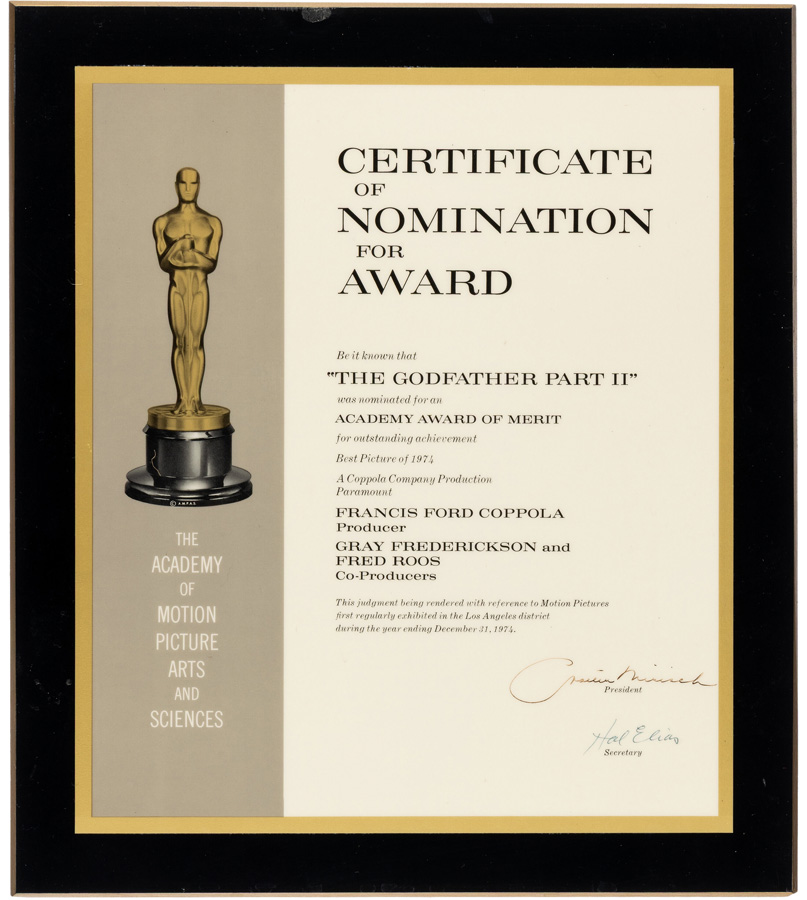
Roos’ Academy Award nomination plaques for ‘The Conversation’ and ‘The Godfather Part II’
Roos was a casting director turned Oscar-winning producer, as well as Francis Ford Coppola’s consigliere, George Lucas’ trusted collaborator, and a man whose instincts helped launch some of the most iconic careers in Hollywood history. He won an Academy Award for The Godfather Part II, and his nomination plaques for The Conversation and Apocalypse Now are preserved here alongside the miniature Oscar pendant he wore with pride. These aren’t just trophies; they’re artifacts of a career built on taste, trust, and timing.
But this wasn’t a neat, museum-ready archive when it arrived. It was closer to the warehouse in Raiders of the Lost Ark: rows of boxes packed with scripts, letters, casting notes, clapperboards, contracts, memorabilia, and more. Curating it meant diving deep – finding not just what was rare, but what told us how Roos worked. What he valued. How he saw people.
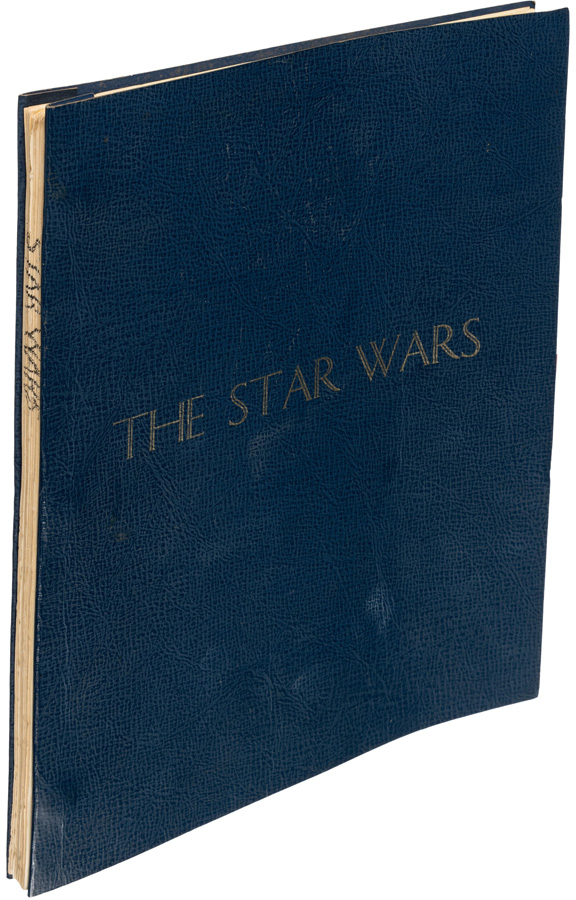
This original 1975 third draft script for what was then titled ‘The Star Wars’ includes Roos’ notations.
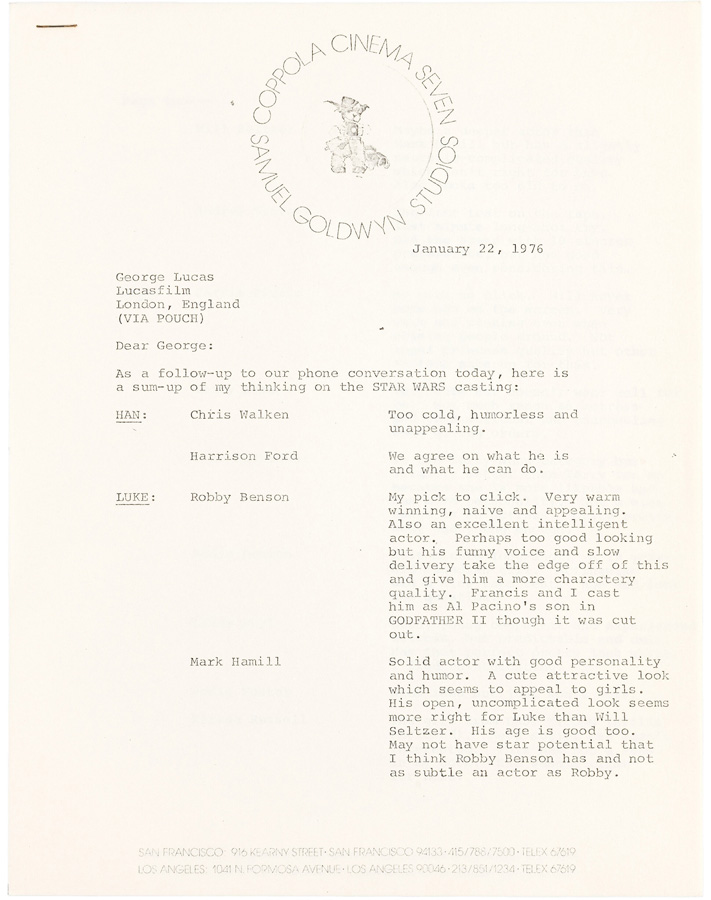
These ‘Star Wars’ casting notes outline Roos’ opinions on actors such as Christopher Walken, Harrison Ford, Robby Benson, and Mark Hamill.
To organize, you start with the big names. There’s a folded Lucasfilm card thanking him with a BMW and ½ of 1% (or 0.5% total) of Star Wars profits – modest in form, monumental in significance. His original casting notes for the film are even better. He dismissed Christopher Walken for Han Solo as “too cold, humorless and unappealing” and backed Harrison Ford with total confidence: “We agree on what he is and what he can do.” For Leia, he championed Carrie Fisher as his “pick to click” – “warm and winning even when bossing people around.”
For his efforts, Roos received his own copy of Lucas’ third draft for the movie that was then called “The Star Wars.” It’s a rarity in itself, but even more so given its pedigree and his proximity to the movie.
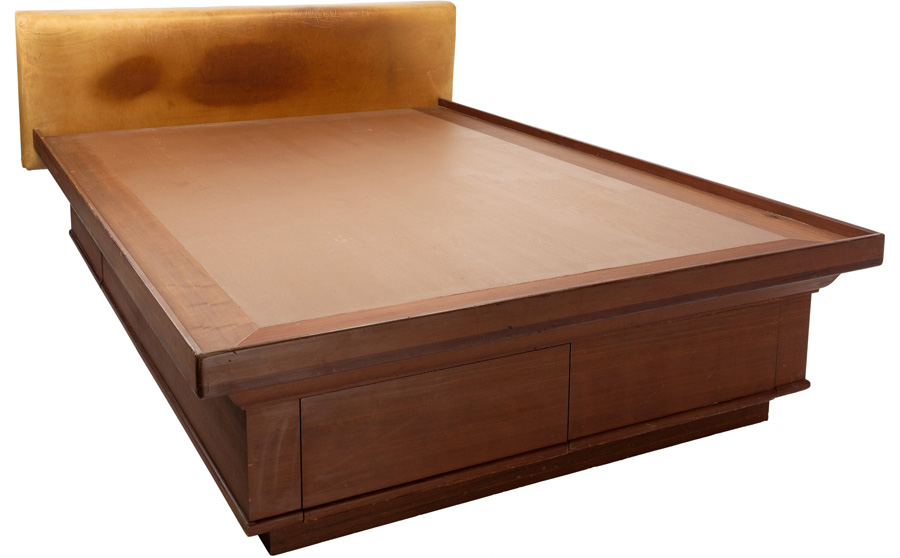
Before he became known for roles like Han Solo, Indiana Jones, and Jack Ryan, Harrison Ford was a struggling actor and carpenter. One of his projects was this custom-made bed for Roos, who went on to champion Ford for roles in ‘American Graffiti,’ ‘Star Wars,’ and ‘Raiders of the Lost Ark.’
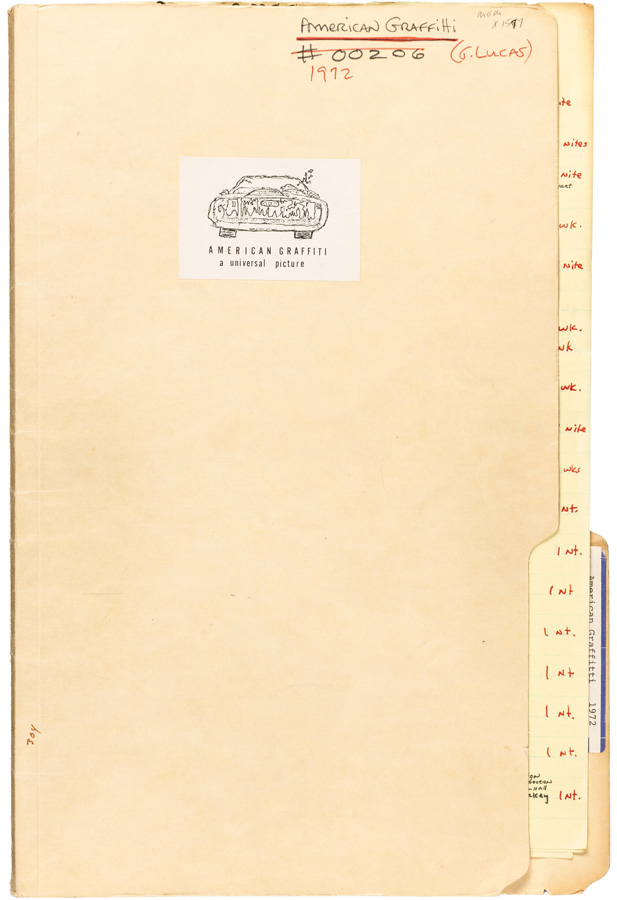
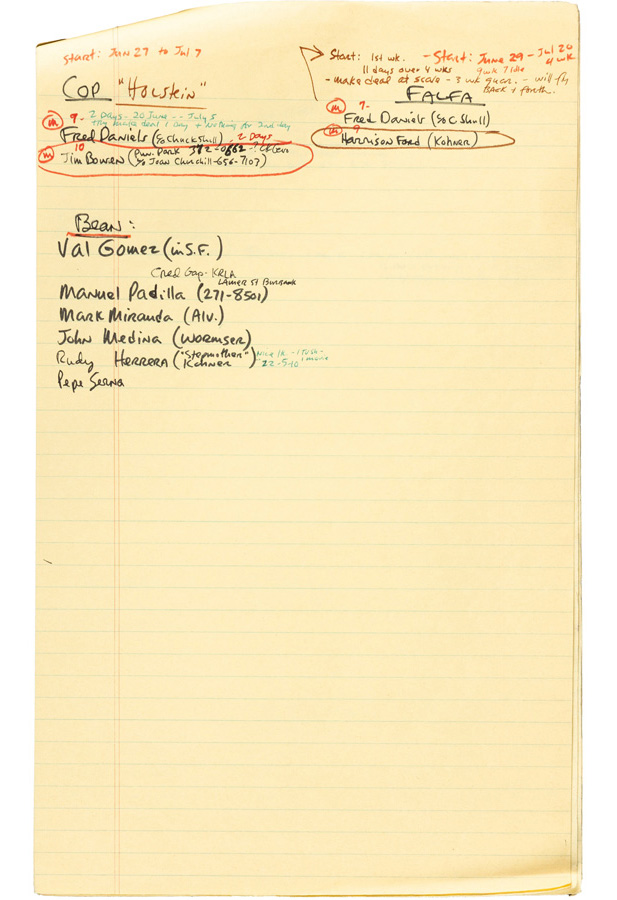
And, of course, Roos can be credited for discovering Ford in the first place – hiring him as a carpenter to work on his home, then recommending him to Lucas for American Graffiti. Ford later said that his movie career wouldn’t exist without Roos’ eye and belief, going so far as to state that “Fred Roos invented me.” Roos even kept the custom-made bed and side table that Ford built for him. It’s an outstanding artifact of the future superstar’s humble beginnings and symbolic of the confidence that Roos had that Ford could and would do more.
What surprised me most was the depth of Roos’ recordkeeping. He saved everything – not for ego, but for the process – including casting lists for The Godfather, Apocalypse Now, Raiders of the Lost Ark, Chinatown, and more, with pages of names, audition notes, and revised picks.
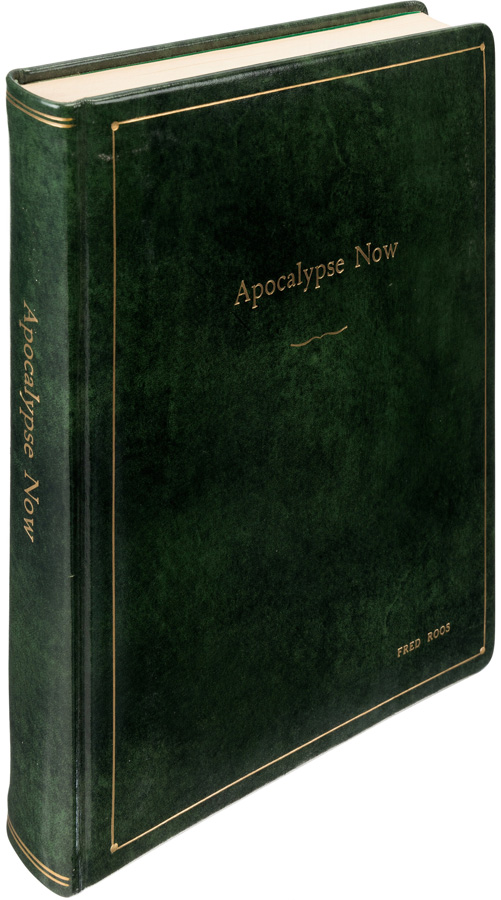
Roos’ original custom-bound reference volume documenting the final phase of production on 1979’s ‘Apocalypse Now’
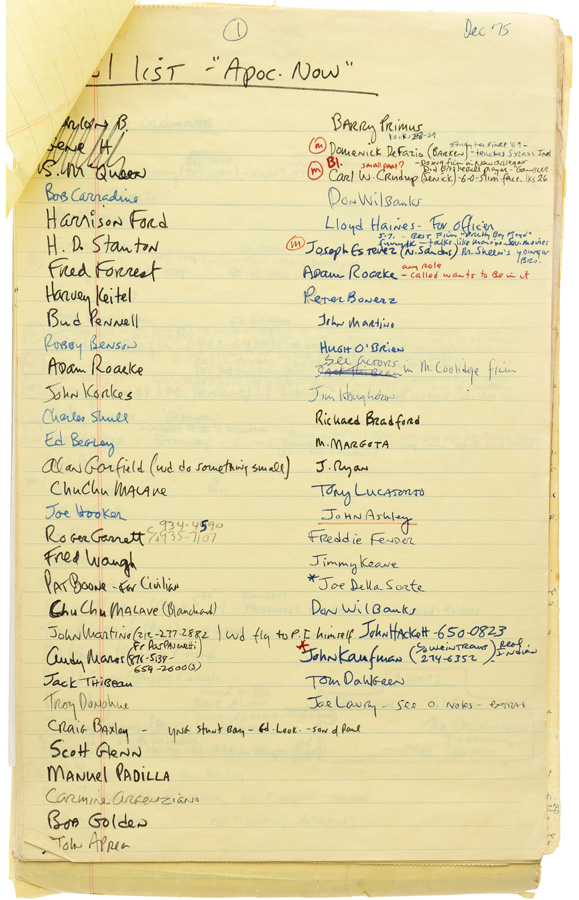
Some of Roos’ casting notes for ‘Apocalypse Now’
You can watch roles evolve from question marks to icons. The multiple drafts of Apocalypse Now, annotated and accompanied by extensive casting files, make it clear just how instrumental Roos was in keeping that chaotic production afloat. He later helped produce Hearts of Darkness: A Filmmaker’s Apocalypse, Eleanor Coppola’s raw, essential documentary about the making of the film he helped rescue.
Then come the discoveries – the one-of-a-kind pieces that make this more than just a professional archive. There’s a heartfelt letter from Martin Sheen, scribbled while on a train. A job inquiry from a young Spike Lee, freshly graduated from NYU and hungry to work on The Cotton Club. A thank-you card from Elle Fanning for helping her land her breakout role in Somewhere. A pair of postcards from Carrie Fisher, written while she traveled through Europe on hiatus from Star Wars. Each letter is a thread in the larger fabric of Roos’ impact – proof of the relationships he built and the futures he helped shape.
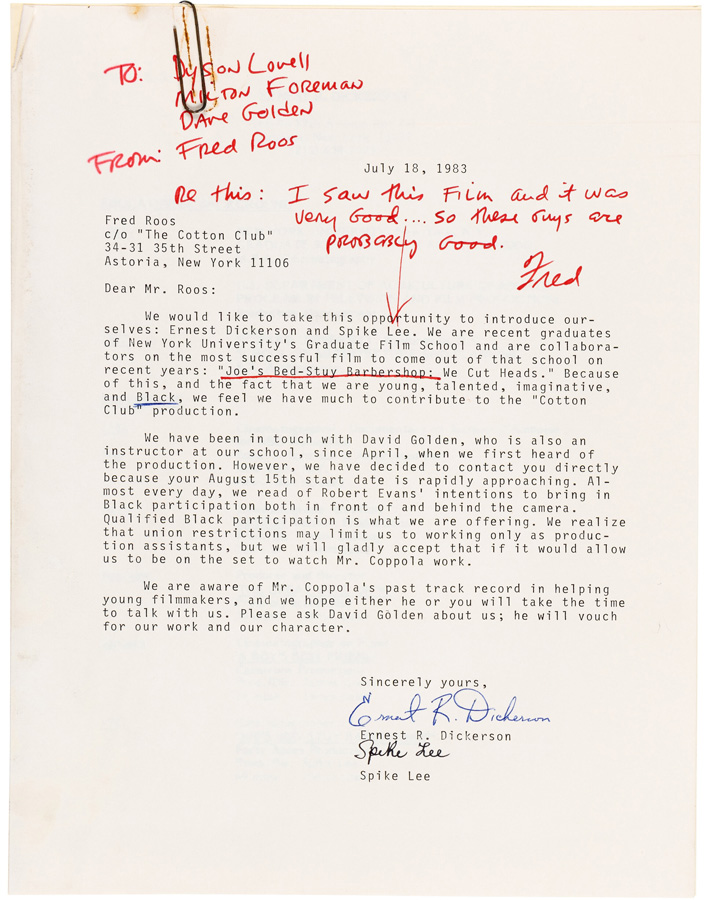
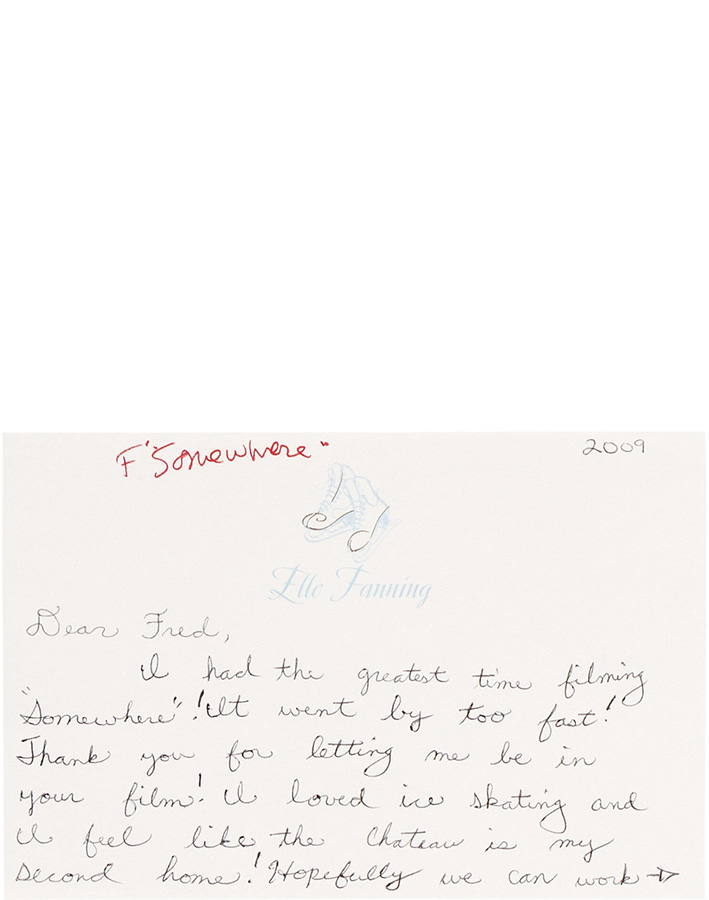
Roos’ archive features a wide-ranging collection of letters, notes, and correspondence sent to him by major film industry figures, including Spike Lee and Elle Fanning.
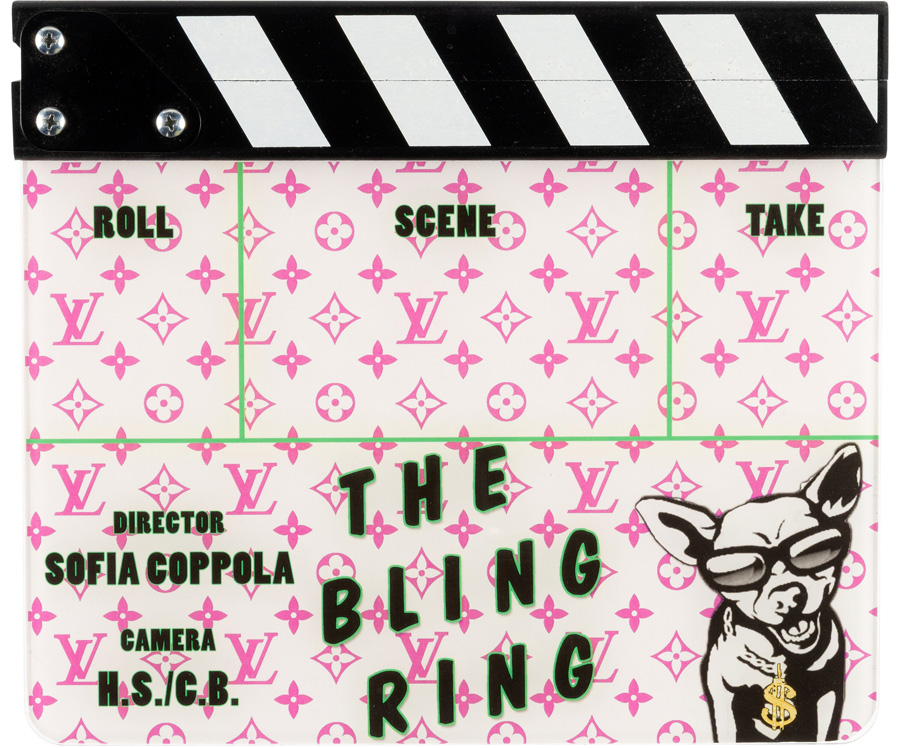
A clapperboard from 2013’s ‘The Bling Ring,’ complete with pink Louis Vuitton monogram
One section I found especially moving involves his collaboration with Sofia Coppola. Roos wasn’t just a producing partner; he was family. Coppola grew up around him, and when she began directing, he was with her every step of the way, producing all of her films from The Virgin Suicides to Priscilla. He helped cast Lost in Translation, developed the Coppola-Kirsten Dunst partnership, and brought the same care to her work that he brought to Zoetrope in the ’70s. The personal items say it all: a clapperboard from The Bling Ring, decorated like a Louis Vuitton handbag; an 18k gold pendant worn by Emma Watson’s character in the film; and scripts from Lost in Translation, Somewhere, and The Bling Ring.
This collection doesn’t just document Roos’ work; it reveals how he worked. It captures the care, the curiosity, and the quiet confidence that made him one of the most important behind-the-scenes figures in American film. For anyone who loves movies – not just the finished product, but the alchemy behind it – this is a rare chance to step inside the process of a man who helped shape the 1970s Hollywood Renaissance and never stopped discovering what came next.