WHETHER YOU’RE DRAWN TO MODERNIST ARCHITECTURE, IMMERSIVE INSTALLATIONS, OR GLOBAL FASHION, THESE MUST-SEE SHOWS REWARD A CLOSER LOOK
By Jordan Clark | July 7, 2026
Summer often inspires thoughts of travel, but some of the season’s most memorable destinations can be found inside museum walls. This summer’s exhibition lineup features ambitious showcases ranging from immersive installations curated by contemporary artists to world-famous abstractions accumulated by distinguished archives. Whether you’re seeking refuge from the heat or inspiration for your next collecting passion, here are six museum shows sure to shake up a slow summer week.
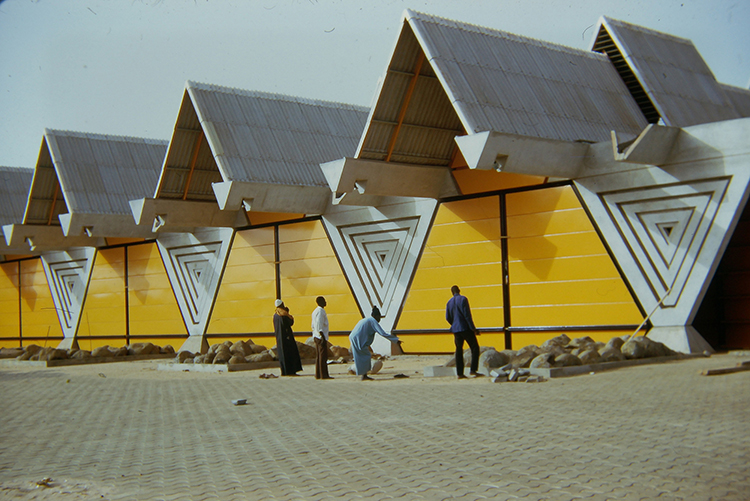
Centre International du Commerce Extérieur du Sénégal (CICES), Dakar, Senegal. 1971–74. Jean-François Lamoureux (b. 1943) and Jean Louis Marin (b. 1943). 1974. Photograph: Michel Fegyveres.
Architects of Liberation: Modernism in Western Africa
The Museum of Modern Art
New York City
A collaborative project developed after four years of intensive research, Architects of Liberation presents a multimedia arrangement of architectural drawings, models, and photographs examining modern architecture from the late 1950s to the early 1980s in seven West African countries. The collection is a stunning assertion of self-redefinition in the face of political transformation during this period and is the first exhibition for many of the featured architects. Through January 2, 2027.
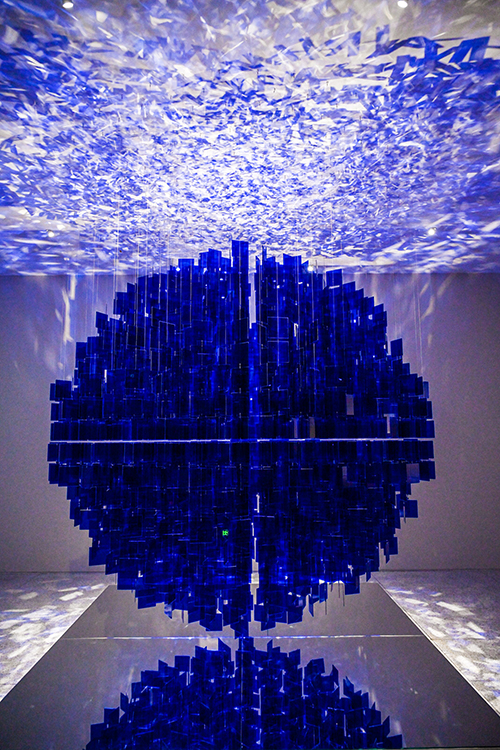
Julio Le Parc, ‘Blue Sphere 2001/2022.’ Tate. Lent by the Tate Americas Foundation, courtesy of the Latin American Acquisitions Committee 2023. © ADAGP, Paris and DACS, London 2025. Photo © Museum of Art Pudong.
Julio Le Parc
Tate Modern
London
Through more than 60 works, Tate Modern documents the vibrant 70-year career of contemporary artist Julio Le Parc, who died in May at 97. The exhibit includes a variety of interactive sculptures that reflect Le Parc’s emphasis on audience participation as visitors are drawn into his world of light, space, and sound. Le Parc’s focus on the sensory and immaterial elements of art requires the viewer to become an active participant to bring his artistic vision to life. In response to Le Parc’s recent passing, Tate Modern’s interim director, Catherine Wood, had this to say: “In recent years it has been an honor for our curators to work so closely with him on his upcoming exhibition at Tate Modern. … We hope the show will be a fitting tribute to his endlessly creative and experimental vision.” Through May 3, 2027.
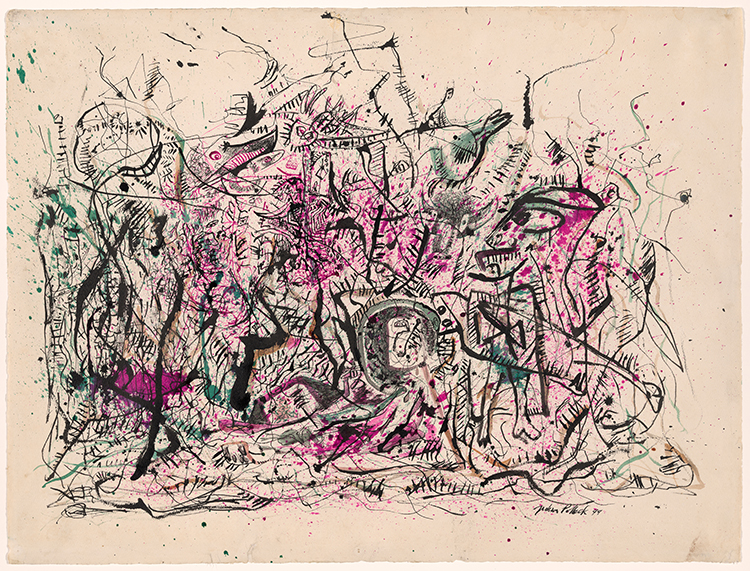
Jackson Pollock. ‘Untitled,’ 1944. The Art Institute of Chicago, Ada Turnbull Hertle Fund, gifts of Mrs. Leigh B. Block, Margaret Fisher, William E. Hartmann, and Joseph R. Shapiro. © Pollock-Krasner Foundation / Artists Rights Society (ARS), New York.
Beyond Form: Abstraction at Midcentury
Art Institute of Chicago
In June, the Art Institute of Chicago unveiled an extensive collection of abstract pieces, many of which are on view for the first time at the museum. The collection is an amalgamation of works by artists across the globe dated between 1940 and 1970, extensively documenting the birth of abstraction and its significance around the world. In the wake of the period’s profound social and political change, this collection highlights the diversity of abstract works sourced from 65 artists from more than 20 countries, and includes works by Jackson Pollock, Ruth Asawa, and Yayoi Kusama. Through October 19.
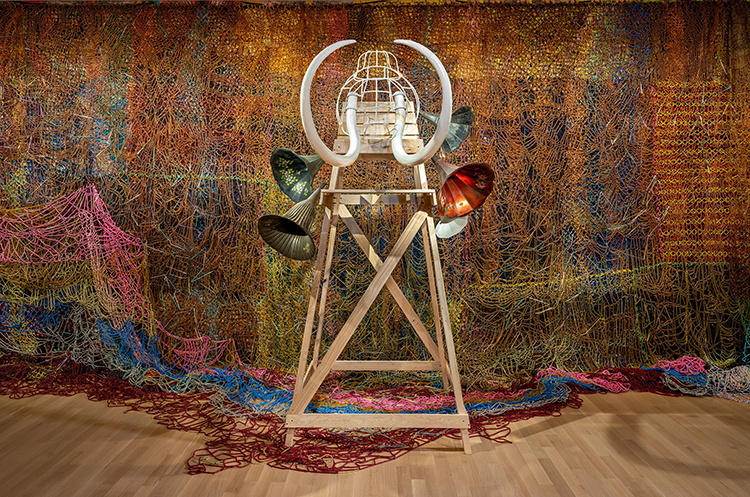
Installation photography of ’Nick Cave: Mammoth,’ Smithsonian American Art Museum, 2026, ©Nick Cave; Photo by RON BLUNT STUDIO.
Nick Cave: Mammoth
Smithsonian American Art Museum
Washington, D.C.
Composed of found objects, large-scale sculptures, and video work, internationally celebrated artist Nick Cave’s Mammoth installation invites visitors into an immersive experience inspired by his family history and his childhood home of Chariton County, Missouri. Through a thoughtful demonstration of mixed media, Cave navigates ideas of memory and heritage while encouraging speculation about the transformation of the natural world. Mammoth’s debut not only marks Cave’s first solo exhibition in Washington, D.C., but also the museum’s largest commission by a single artist. Through January 3, 2027.
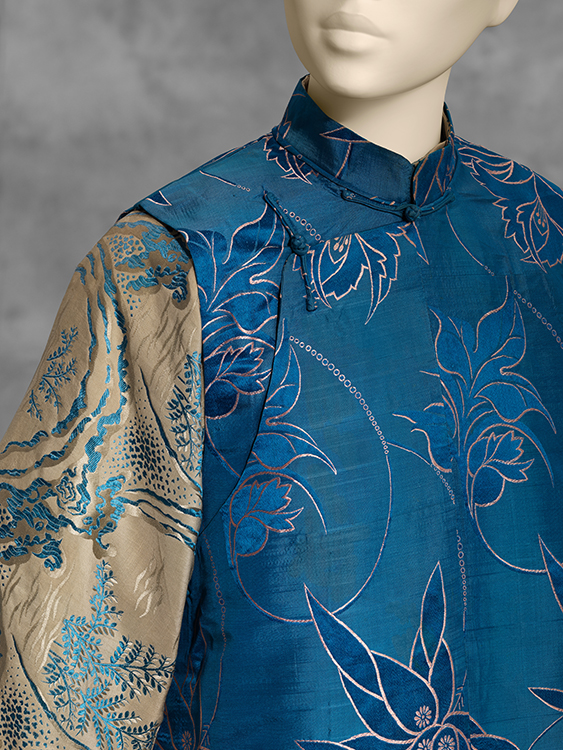
Long Vest (Majia) (detail), China, Shanghai, mid-1920s, Los Angeles County Museum of Art, gift of Mei Mei Rado in memory of Terry Satsuki Milhaupt; Jacket (Ao) (detail), China, c. 1924, Los Angeles County Museum of Art, gift of Chere Lai Mah; mannequin head © Jason Wu, photo © Museum Associates/LACMA.
Fashioning Chinese Women: Empire to Modernity
Los Angeles County Museum of Art
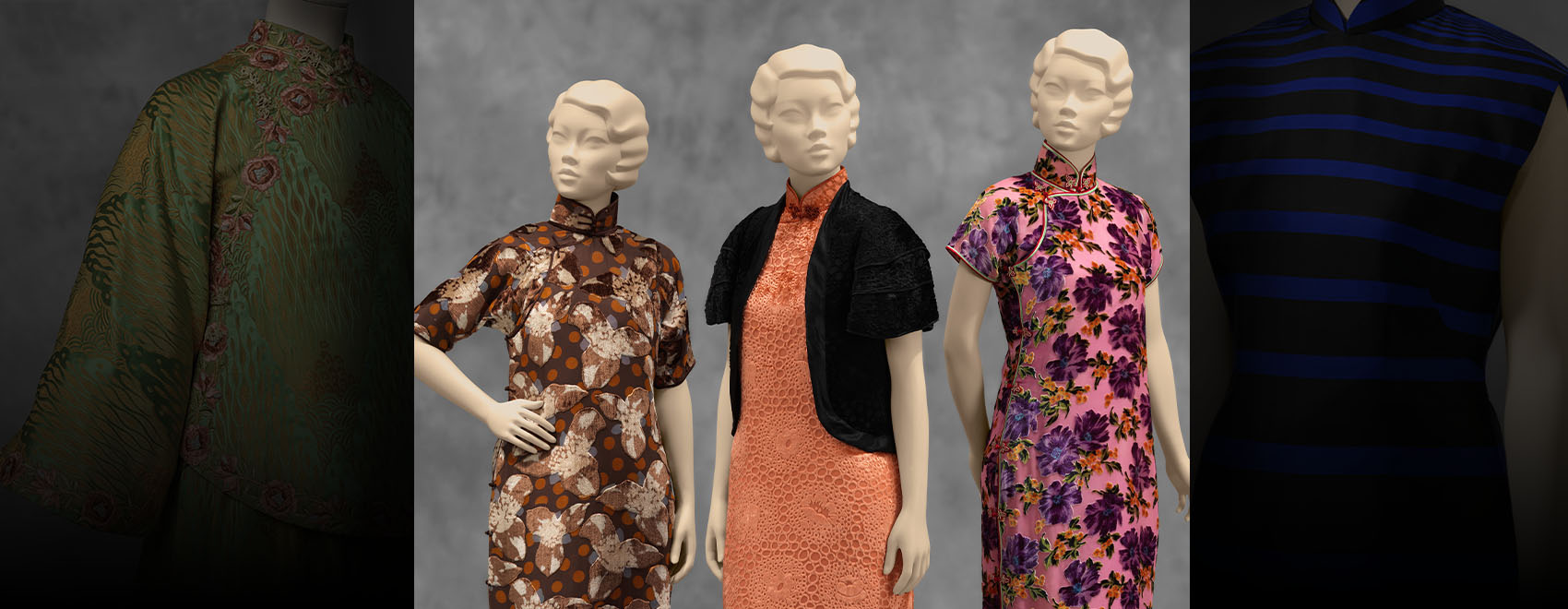
What began as Berkeley-based artist and designer Chere Lai Mah’s personal effort to preserve her family’s assemblage of 19th- and 20th-century Chinese women’s garments has evolved into a marvelous global collection spanning centuries and cultures. That collection forms the basis of LACMA’s Fashioning Chinese Women. Featuring more than 70 ensembles, the exhibition displays a thorough timeline of traditional Chinese womenswear with a focus on Chinese heritage, creativity, and the refashioning of identity from the late Qing Dynasty to the 1950s. Through October 12.
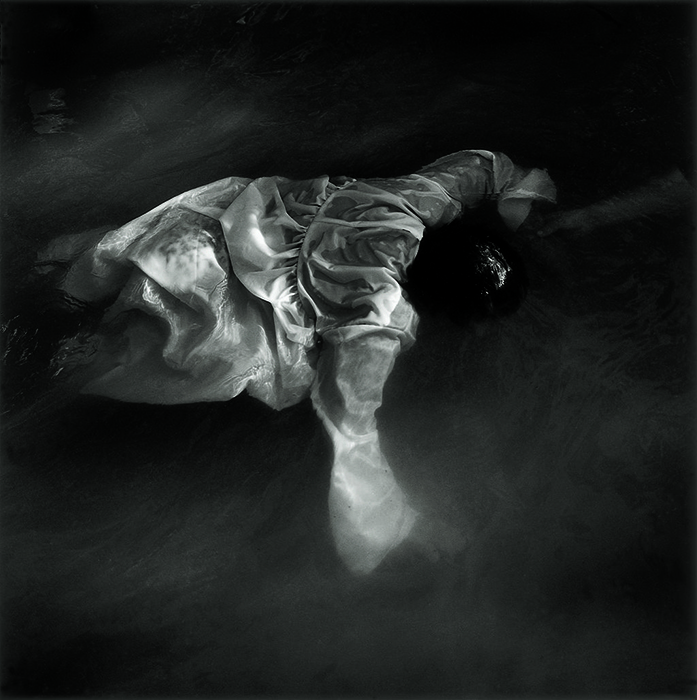
Graciela Iturbide, ‘Ritual, fiestas de Niño Fidencio, Espinazo, Nuevo León, México (Ritual, Niño Fidencio Festival, Espinazo, Nuevo León, Mexico),’ 2000; Collection Fundación Mapfre; © Graciela Iturbide.
Graciela Iturbide: Between Two Worlds
San Francisco Museum of Modern Art
In 1990, SFMOMA became the first U.S. institution to give Graciela Iturbide a monographic exhibition. Now, 36 years later, more than 150 works by the internationally acclaimed Mexican photographer are returning to the museum. Iturbide’s vast body of work, recognized for its loving and intimate portrayals of her home country and its peoples, includes her photographs documenting Frida Kahlo’s bathroom at the Casa Azul, which remained closed for 50 years following Kahlo’s death. July 11-November 29.
Header caption: Dress (Qipao), China, Shanghai, c. 1933, Los Angeles County Museum of Art, Costume Council Fund, Sincere Co. Ltd.; Dress (Qipao) and Jacket, China, Shanghai, early 1930s, Los Angeles County Museum of Art, Costume Council Acquisition Fund; Dress (Qipao), China, 1939–40, Los Angeles County Museum of Art, Costume